
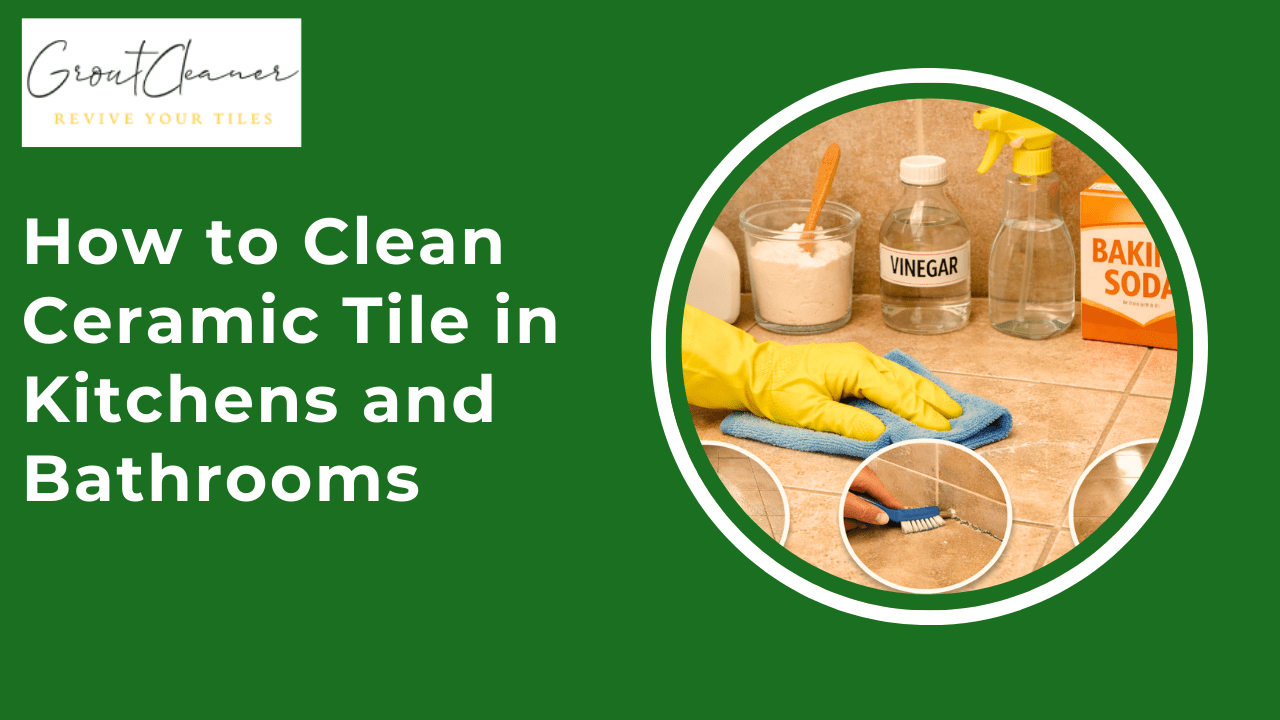
One of the popular products of contemporary houses is ceramic tiles. They offer a stylish and low-maintenance solution for areas such as kitchen backsplashes and bathroom floors. Their durability, water resistance, and modern appearance make them a favorite choice for many homeowners. However, even though ceramic tiles are known for being easy to maintain, keeping them clean and fresh over time can still be a challenge.
Many homeowners notice that their ceramic tile surfaces begin to lose their shine after months or years of daily use. Grease from cooking, soap scum from showers, and everyday dirt can slowly build up on the tiles and grout lines. As this layer of residue accumulates, even the most beautiful tiles can start to look dull, stained, and neglected.
I personally tested several cleaning methods while maintaining ceramic tiles in my own kitchen and bathroom. Through this experience, I discovered that the right cleaning techniques can completely restore the appearance of tile surfaces without the need for expensive cleaning products.
Knowing how to clean ceramic tile floors, walls, and backsplashes properly can make a significant difference in the overall appearance and feel of your home. With the right approach, you can remove buildup, restore shine, and prevent long-term damage to both tiles and grout.
The good news is that you don’t need complicated tools or harsh chemical cleaners to keep your tiles looking great. Many effective solutions can be made using simple household items that are already available in most homes.
In this guide, you will discover simple, practical, and personally tested methods for cleaning ceramic floor tiles in kitchens and bathrooms. These techniques are easy to follow, budget-friendly, and effective at keeping your tiles bright, clean, and long-lasting.
Why Ceramic Tile Needs Regular Cleaning
Most humans believe that tiles are very hard, and therefore they do not need lots of maintenance since they are waterproof. Although this is partly the case, dirt and grime may still develop on the surface and in grout lines.
Kitchens are particularly susceptible to food splashes and droplets of grease. The stove or sink may get an oil and cooking residue that is easily accumulated on a ceramic tile backsplash behind the appliance. With time this accumulation forms a glue-like substance, which blunts the natural gloss of the tile.
This is not the case with bathrooms. Ceramic tile flooring and walls may be stained by moisture, soap, and mineral deposits. When cleaning is postponed for a considerable length of time, it is also possible that mold and mildew can begin to grow in grout lines.
Frequent cleaning makes your tiles clean and better looking, and it does not allow permanent stains.
Understanding Ceramic Tiles Before Cleaning
Before starting any cleaning routine, it helps to understand the surface you are working with.
Ceramic tiles are made from natural clay that is shaped and fired at high temperatures. Most tiles have a protective glaze that gives them their smooth, shiny finish. This glaze makes cleaning easier because dirt usually stays on the surface rather than penetrating the tile.
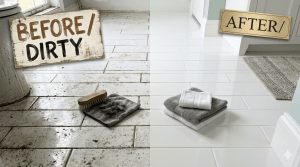
However, grout lines between tiles are more porous. That means they can absorb moisture and dirt if they are not cleaned properly.
You might also hear homeowners compare porcelain vs ceramic tile when discussing cleaning and durability. Porcelain tiles are generally denser and less porous because they are fired at higher temperatures. Ceramic tiles are slightly softer but still strong enough for kitchen and bathroom use. Both types are cleaned using similar methods, although porcelain tends to resist stains a bit better.
Basic Supplies for Cleaning Ceramic Tile
You do not need expensive products to keep tiles clean. In most homes, the right supplies are already available in the kitchen or laundry room.
Common cleaning items include:
- Warm water
- Mild dish soap
- Baking soda
- White vinegar
- Soft sponge or microfiber cloth
- Soft brush or old toothbrush
- Mop for larger floors
Avoid abrasive tools such as steel wool or harsh scrubbing brushes. These can damage the glazed surface of a ceramic floor tile and reduce its shine over time.
Daily Cleaning for Ceramic Tile Flooring
Regular cleaning can be used to avoid accumulation of dirt on tiles. Even a couple of minutes per day can help a lot in keeping your floors.
Begin by sweeping or vacuuming the floor in order to sweep up dust, crumbs, and loose dirt. The reason behind this move is due to the fact that even the smallest particles have the potential to scratch the surface of the tile in case they are forced about during mopping.
When sweeping, wipe down the ceramic tile flooring using warm water with slight additions of mild dish soap. A microfiber mop is effective, as it does not spread but traps dirt.
After cleaning the floor, wash it off with ordinary water to destroy traces of the soap. The soap remaining on tiles may form a hazy film, particularly in localities where the water is hard.
Let the floor dry, or dry it in a light manner by wiping it with a clean cloth.
Deep Cleaning Ceramic Floor Tile
Sometimes regular cleaning is not enough, especially if tiles have been neglected for a while. Deep cleaning removes stubborn stains and restores brightness.
Start by mixing warm water with a few drops of dish soap. Apply the solution to the ceramic floor tile using a mop or sponge.
For tougher stains, sprinkle a small amount of baking soda on the affected area. Use a soft brush to gently scrub the surface in circular motions. Baking soda works as a mild abrasive that removes grime without scratching the glaze.
After scrubbing, rinse the area thoroughly with clean water and dry it with a towel.
This method works well for kitchens, bathrooms, and entryways where tiles experience heavy use.
Cleaning Ceramic Tile Backsplash in the Kitchen
A ceramic tile backsplash often collects grease from cooking, especially near the stove. Over time, this grease can become sticky and difficult to remove.
To clean it effectively, mix warm water with a small amount of dish soap. Dip a sponge into the mixture and wipe the tile surface from top to bottom.
If grease stains remain, create a paste using baking soda and water. Apply the paste to the stained area and let it sit for a few minutes before gently scrubbing.
After cleaning, wipe the backsplash with a damp cloth to remove residue. Finally, dry the tiles with a microfiber cloth to restore their shine.
Regular wiping after cooking can prevent grease from building up in the first place.
Removing Soap Scum from Bathroom Tiles
The tiles used in the bathroom are in constant contact with soap, shampoo, and minerals in hard water. These materials may cause a glazed surface on the floor tiles of ceramic tunnels as well as wall tiles.
The vinegar solution can be used to dissolve soap scum; a simple solution will do. Combine warm water with white vinegar in an equal ratio in a spray bottle.
Spray the mixture on the tiles and leave after several minutes. The vinegar will soften the mineral deposits and the residue of soap.
Wipe the surface with a sponge or soft brush and then run it under clean water. Wipe the tiles using a cloth to avoid moisture.
Remember not to use vinegar very often on grout, as it can be a weak material after a certain period of time.
Cleaning Tile Grout Lines
Even when tiles look clean, grout lines can still appear dark and dirty. Because grout is porous, it absorbs stains more easily than tile surfaces.
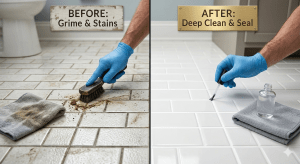
A baking soda paste is one of the safest ways to clean grout. Mix baking soda with a small amount of water until it forms a thick paste.
Apply the paste along the grout lines and gently scrub with a toothbrush or soft brush. This helps lift dirt without damaging the grout.
After scrubbing, rinse the area with warm water and wipe it dry.
For long-term protection, consider sealing grout once or twice a year. Sealing prevents moisture and stains from penetrating the grout lines.
Natural Cleaning Methods for Ceramic Tile
Many homeowners prefer natural cleaning solutions instead of chemical products. Fortunately, ceramic tiles respond well to simple household ingredients.
Baking soda is excellent for removing stains and odors. Vinegar can dissolve mineral deposits and soap buildup. Lemon juice also works well for cutting through grease on a ceramic tile backsplash.
When using natural cleaners, always rinse tiles thoroughly with water afterward. This ensures no residue remains on the surface.
Natural cleaning methods are not only affordable but also safer for families with children and pets.
Common Mistakes to Avoid When Cleaning Tiles
Although cleaning tile seems simple, some mistakes can damage the surface or reduce its shine.
One common mistake is using harsh chemical cleaners. Strong acids or bleach can gradually wear down the protective glaze on ceramic tiles.
Another mistake is using too much soap while mopping ceramic tile flooring. Excess soap leaves a slippery residue that attracts more dirt.
Skipping the rinsing step is also a frequent problem. Cleaning solutions left on the tile surface can cause streaks or dull spots.
Finally, avoid using abrasive pads that can scratch the tile finish.
Maintaining Ceramic Tile for Long-Term Shine
Once your tiles are clean, proper maintenance will keep them looking new for years.
Sweep or vacuum floors regularly to remove dirt before it builds up. Wipe kitchen backsplashes after cooking to prevent grease stains. In bathrooms, dry tiles occasionally to reduce water spots and soap residue.
Placing mats near sinks and entryways can also protect ceramic tile flooring from excessive moisture and dirt.
With consistent care, ceramic tiles can remain attractive and durable for decades.
Ceramic Tile vs. Other Tile Types
When homeowners choose tiles for kitchens or bathrooms, they often compare porcelain vs ceramic tile.
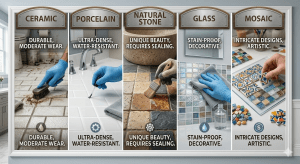
Both materials are made from clay and fired in kilns, but porcelain tiles are typically denser and less porous. This makes them slightly more resistant to water and stains.
Ceramic tiles, however, are usually more affordable and easier to install. They are also available in a wide range of colors, textures, and patterns.
In terms of cleaning, both materials are fairly simple to maintain. Regular sweeping, gentle washing, and proper grout care will keep either tile type in good condition.
Frequently Asked Questions
1. How often should ceramic tile flooring be cleaned?
Sweeping or vacuuming should be done several times a week, especially in high-traffic areas. Mopping once a week is usually enough to maintain clean ceramic tile flooring in most homes.
2. Can vinegar damage ceramic tiles?
Vinegar is generally safe for glazed tiles, but it should not be used too often on grout lines because its acidity may weaken grout over time.
3. What is the best cleaner for a ceramic tile backsplash?
A mixture of warm water and dish soap works well for everyday cleaning. Baking soda paste can be used for stubborn grease on a ceramic tile backsplash.
4. Is ceramic tile good for kitchen floors?
Yes, ceramic floor tile is a popular choice for kitchens because it is durable, water resistant, and relatively easy to clean.
5. What is the main difference between porcelain and ceramic tiles?
When comparing porcelain vs ceramic tile, porcelain is denser and more water resistant, while ceramic tiles are usually more affordable and easier to cut during installation.
Final Thoughts
Ceramic tiles are still among the most suitable surfaces that can be used in the kitchen and the bathroom since they are durable and attractive. To be placed as either flooring in the form of ceramic tiles, wall tiles, or as a decorative backsplash, they can be used to improve the appearance of any room.
Tiles do not need any complicated equipment or high-priced cleaning solutions. Most accumulation and stains can be removed using simple techniques of warm water, mild soap, and natural ingredients. Constant maintenance also avoids the accumulation of dust in the grout and ensures the glossy finish of the tile.
With the various procedures that were outlined in this guide, a homeowner can keep his/her ceramic floor tile surfaces in the most efficient way. Ceramic tiles can shine and work effectively over a long period of time with regular cleaning and regular maintenance.