
Published: September 6, 2026

By Jack Martin — Grout & Tile Cleaning Specialist, 10+ years testing grout cleaning methods, 500+ products personally tried.
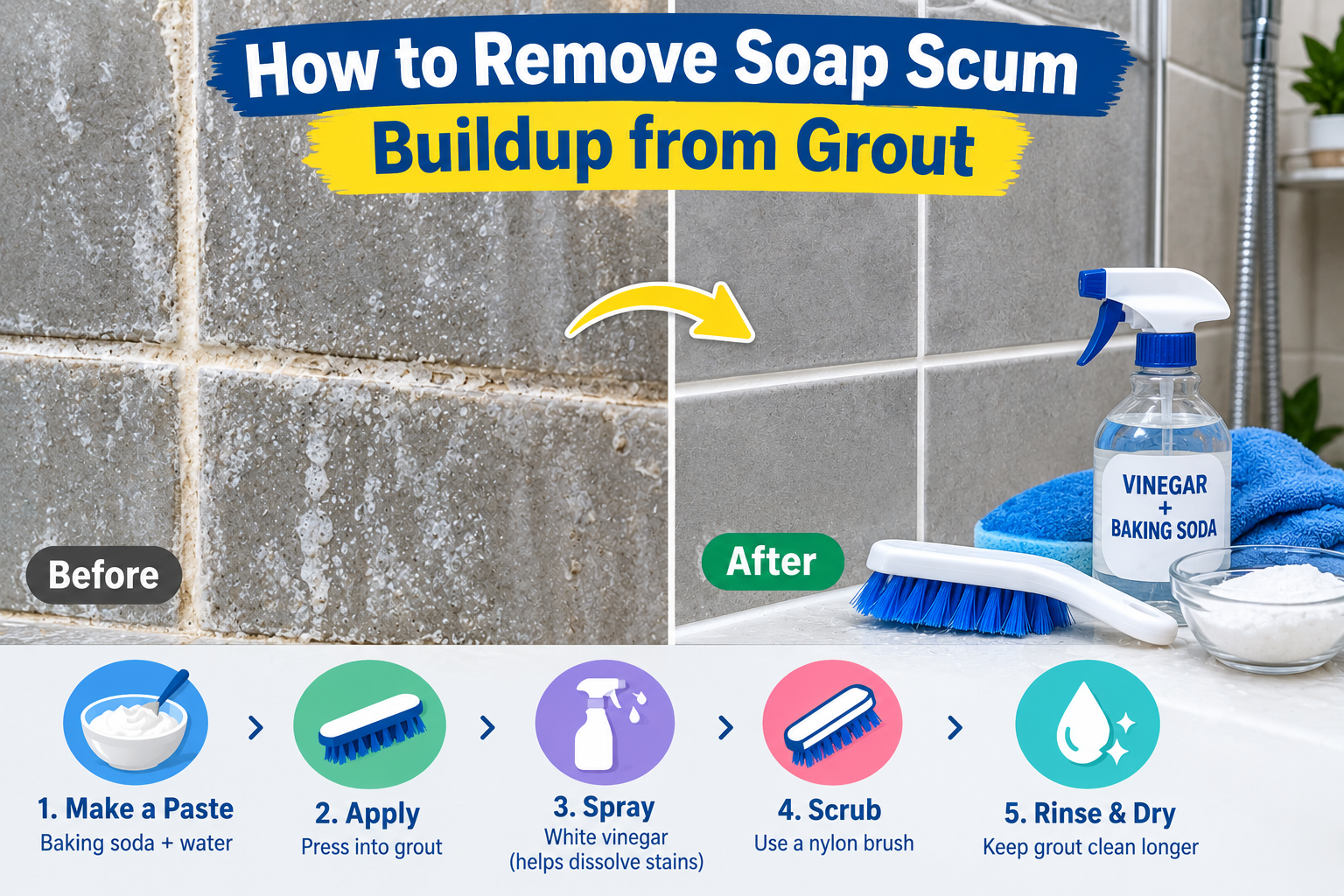
Soap scum grout removal takes two steps because soap scum has two parts: oily soap residue and hard-water minerals. Scrub with dish soap or a baking soda paste first to cut the grease, then spray a 50/50 mix of white vinegar and water to dissolve the minerals. Give each step 5 to 10 minutes, scrub with a nylon brush, rinse with hot water, and dry the grout. Skip the vinegar on marble or other natural stone. Most showers take 30 to 45 minutes.
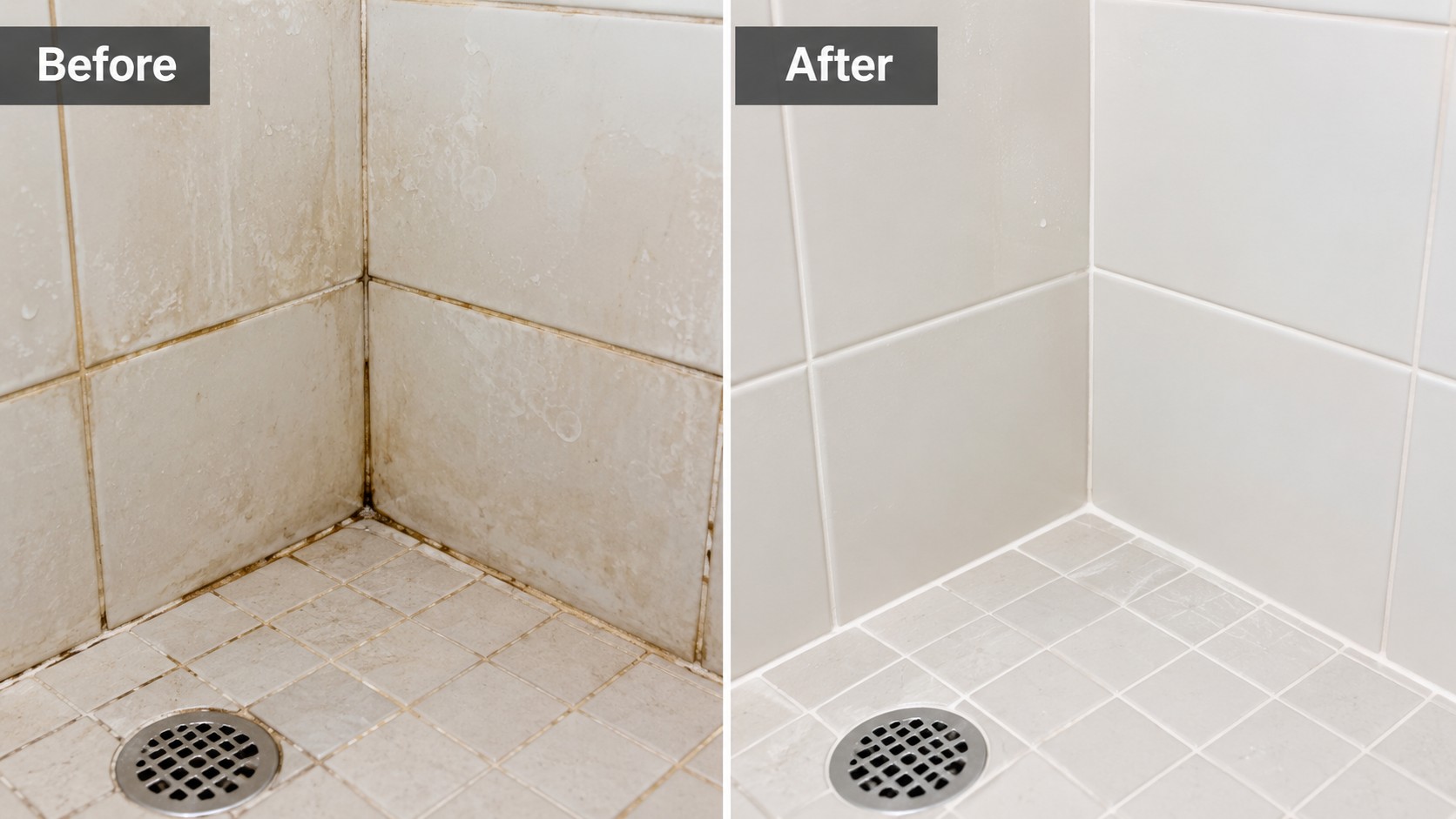
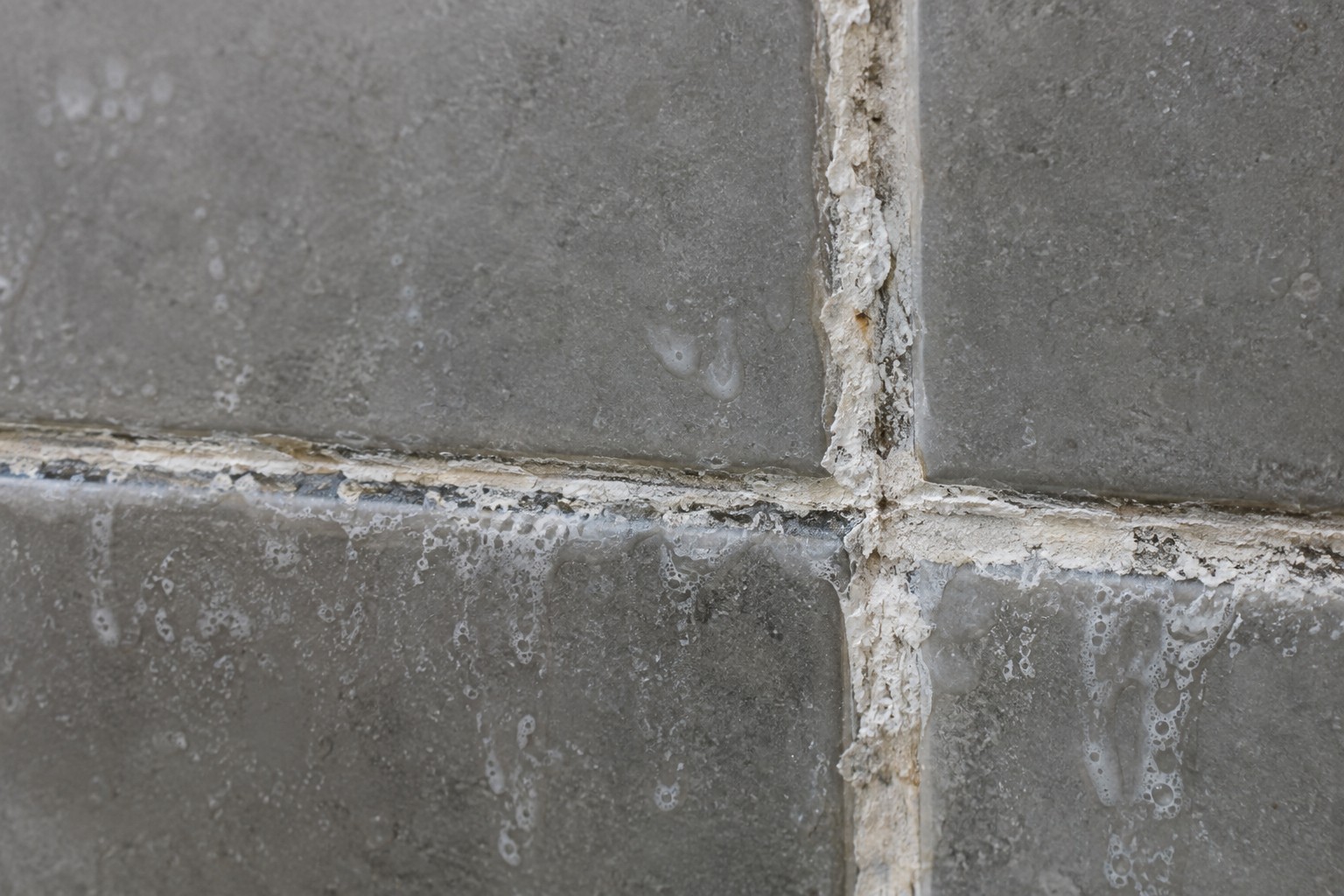
That dull, grey, slightly slimy film along your shower grout lines is almost always soap scum, and it's frustrating because wiping it never seems to help. The film is a blend of soap residue, body oil, and hard water minerals packed into porous grout, so it acts more like a coating than a stain.
Scrubbing harder is the usual reaction, and it rarely works. After testing cleaners on my own shower and a stack of test tiles, I've found that the right product in the right order does most of the work before the brush even gets involved.
This guide is about buildup, not discoloration. Grout stained by coffee, ink, or rust is a different problem with a different fix, so I keep those in a separate stain guide. Here, the goal is simple: get the film off your grout, then stop it from coming back.
Why Soap Scum Builds Up on Grout (and Why Scrubbing Alone Fails)
What exactly is soap scum?
Soap scum is an insoluble residue formed when the fatty acids in bar soap react with calcium and magnesium in hard water. The result is a waxy, sticky layer that won't rinse off with water, and it gets thicker as skin oils, shampoo, and dead skin cells stick to it.
Why does grout hold onto it more than tile?
Cement grout is porous, so soap film doesn't just sit on top but sinks into thousands of tiny pits. Glazed tile is smooth and wipes clean in seconds. In my own bathroom, the tile looked fine for months while the grout lines went dingy grey within weeks.
Why do you often need two different cleaners?
Soap scum has an oily half and a mineral half, and each dissolves in a different type of cleaner. Alkaline products like dish soap, baking soda, and oxygen cleaners break down the oily part. Mild acids like white vinegar dissolve the limescale and calcium deposits. Using only one leaves the other behind, which explains why a quick spray-and-wipe looks great for two days and then the film is back.
Soap Scum Grout Removal: Spot the Problem First
Matching the symptom to the cause saves time and keeps you from using the wrong cleaner. Rub a damp white cloth along a grout line and see what happens:
- Grey, greasy film that smears: classic soap scum. Start with Method 1 or 2 below.
- White, chalky crust that doesn't smear: hard water stains and mineral deposits. Go straight to the vinegar method.
- Grey film with a white crust on top: both at once, which is the most common shower situation. Use the two-step method.
- Black, green, or pink spots: mold or mildew, which needs a different treatment than soap scum.
- Color that stays after a good scrub: a true stain rather than buildup, so cleaning the film won't fix it.
What You'll Need Before You Start
A short supply list covers nearly every bathroom grout cleaning job. Gather these first:
- Dish soap (a grease-cutting one) and a spray bottle
- Baking soda and white distilled vinegar
- A stiff nylon grout brush, or an old toothbrush for tight lines
- Microfiber cloths and a bucket of hot water
- Rubber gloves, with a window open or the exhaust fan running
A patch test on a hidden section of grout prevents most cleaning damage. Apply your cleaner to a small, out-of-sight area, wait the full dwell time, and rinse. If the grout darkens, crumbles, or looks rough, stop and switch to a gentler method.
Safety first: Never mix vinegar with bleach, because the combination releases toxic chlorine gas. Don't mix vinegar with hydrogen peroxide either, since the two form peracetic acid, a skin and lung irritant. Use one product at a time and rinse well between steps. In the US, America's Poison Centers offers free, 24/7 help at 1-800-222-1222 if a mix-up happens.
6 Ways to Clean Soap Scum Off Grout (Gentle to Heavy-Duty)
Method 1: Hot water and dish soap (light, fresh film)
Dish soap and hot water remove fresh soap film because the surfactants break down the oily layer directly. Mix a few drops of dish soap into a spray bottle of hot water, saturate the grout lines, wait five minutes, and scrub with a nylon brush. Rinse with clean hot water. It's the gentlest option, and the one I always try first in a bathroom I haven't cleaned before.
Method 2: Baking soda paste (moderate buildup)
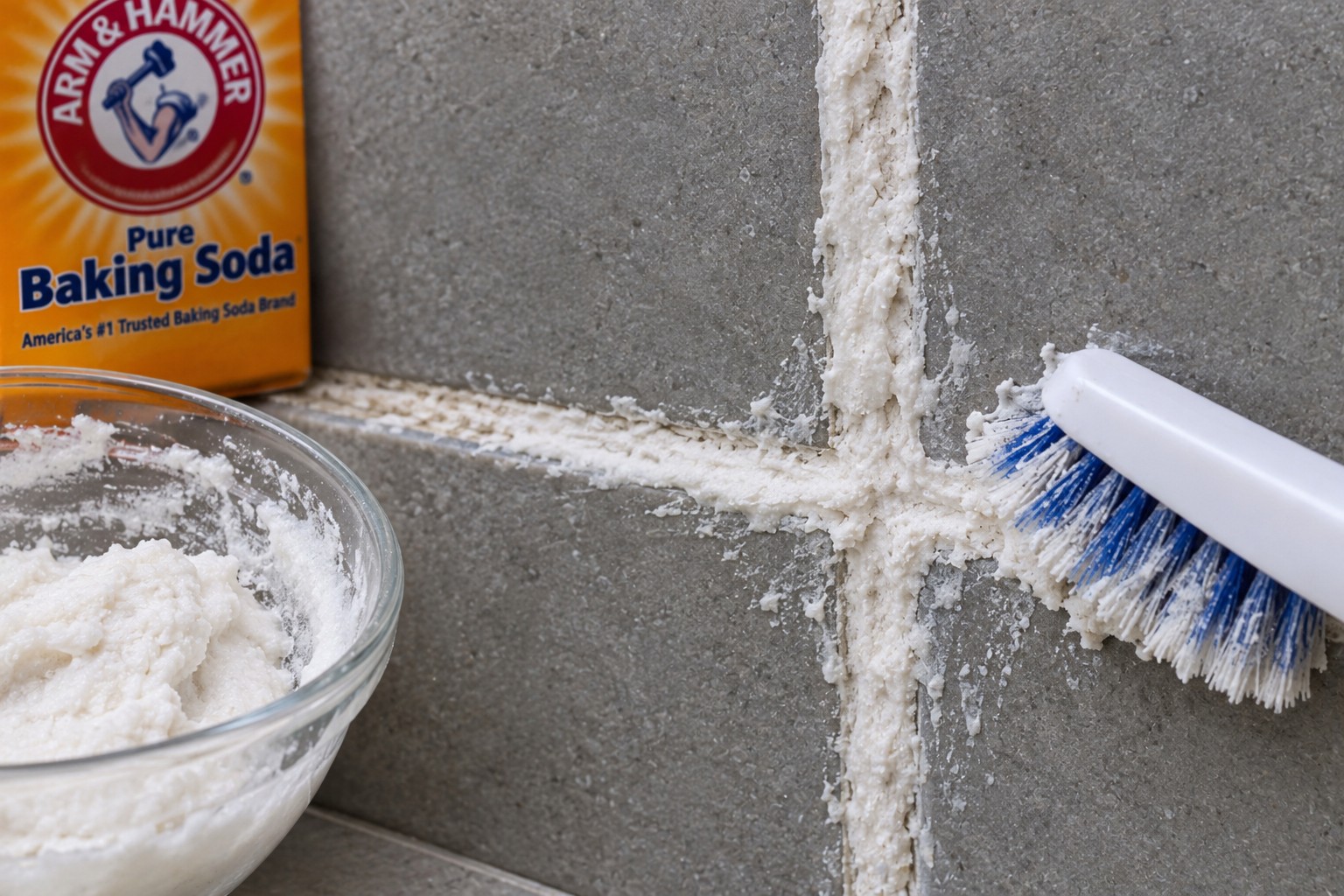
A baking soda paste loosens set-in soap buildup through mild alkalinity and gentle abrasion, without scratching grout. Mix three parts baking soda with one part water until it spreads like toothpaste, press it into the lines, and leave it for 10 minutes. Scrub in short strokes along the grout, then rinse. Leftover residue can look chalky, so wipe the area twice.
Baking Soda for Grout Cleaning
The gentle abrasive in the spray and paste recipes above. A large box or bag goes a long way and also works for general household cleaning.
As an Amazon Associate I earn from qualifying purchases, at no extra cost to you.
Method 3: White vinegar spray (hard-water film)
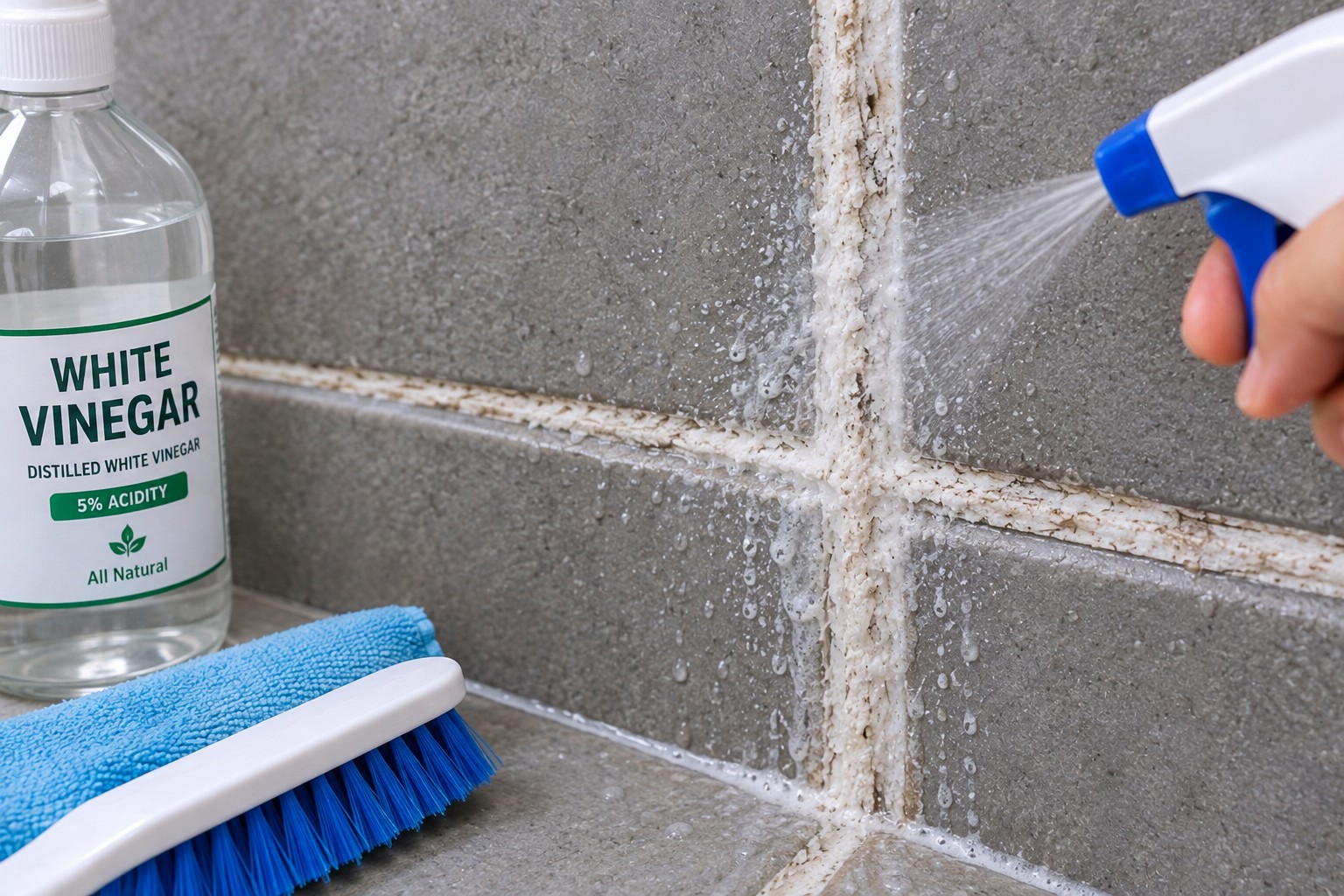
Diluted white vinegar dissolves the calcium and magnesium minerals that glue soap scum to grout. Spray a 50/50 mix of vinegar and water on the lines, wait five to ten minutes, scrub, and rinse thoroughly. Don't let it dry on the surface. Vinegar is an acid, so extended contact can soften unsealed cement grout, and it should never touch marble, limestone, or travertine.
Method 4: Alkaline first, acid second (heavy buildup)
Running an alkaline cleaner first and an acid second removes both halves of soap scum, which is why it's my go-to for stubborn shower tile grout. Scrub with dish soap solution or baking soda paste, then rinse completely. Next, spray the vinegar mix, wait five minutes, scrub again, and rinse. Keep the two apart on the wall, because baking soda and vinegar simply cancel each other out. Used one after the other, they clean far better than either alone.
Method 5: Oxygen cleaner soak (greasy, yellow-grey film)
Oxygen-based cleaners made with sodium percarbonate lift oily buildup and brighten dingy grout without the fumes of chlorine bleach. Mix the powder with warm water per the product label, apply it as a paste or spray, and leave it for 15 to 30 minutes. Scrub and rinse. I reach for this when grout has taken on a yellow-grey cast that dish soap alone won't shift.
Method 6: Steam cleaning (deep and chemical-free)
Steam softens soap scum with heat alone, which suits households that want to avoid chemical cleaners. Move a steam cleaner with a narrow nozzle slowly along each grout line, then wipe the loosened residue right away with a microfiber cloth before it cools and settles back in. My full walkthrough is in the steam tile grout cleaner guide, and the homemade grout cleaner guide has DIY recipes that pair well with this step.
Best Soap Scum Grout Removal Method for Your Situation
Picking the right soap scum grout removal method comes down to how thick the film is, how long it's been there, and what your tile is made of. This table compares all six methods side by side.
| Method | Best For | Time | Natural Stone Safe? |
|---|---|---|---|
| Dish soap and hot water | Light, fresh film | 10 to 15 min | Yes |
| Baking soda paste | Moderate buildup | 15 to 20 min | Yes |
| White vinegar spray | Hard water stains and limescale | 10 to 15 min | No |
| Alkaline then acid | Heavy, set-in scum | 30 to 45 min | No |
| Oxygen cleaner soak | Greasy, yellow-grey film | 20 to 40 min | Check label |
| Steam cleaner | Chemical-free deep clean | 20 to 30 min | With care |
In short: start with dish soap, move to baking soda for moderate film, and use the alkaline-then-acid combo for heavy buildup on cement grout. Keep acids away from natural stone.
Common Soap Scum Problems (and How to Fix Them)
Most failed cleaning attempts come from a small set of fixable mistakes. If something went wrong, check this list:
- The film is back in a few days. Cleaner residue or leftover moisture is usually the cause. Rinse twice with hot water and dry the grout with a cloth.
- Grout looks rough or lighter after vinegar. Acid has etched the surface. Stop using vinegar there, and seal the grout once it's fully dry.
- The grout has fresh scratches. A wire brush is the culprit. Switch to nylon bristles, since scratches widen the pores that trap more scum.
- White chalky haze after baking soda. Leftover powder needs a second wipe with a damp cloth, followed by a clean-water rinse.
- A sharp chlorine smell. Two cleaners have been mixed. Ventilate the room immediately and rinse the surface with plenty of water.
Skipping the final dry-down step quietly undoes a lot of good work. Standing moisture feeds both fresh scum and mildew, so a quick pass with a microfiber cloth after rinsing keeps grout lines clear for much longer.
How to Prevent Soap Buildup on Shower Grout
Prevention takes far less effort than a deep clean and comes down to cutting off what soap scum is made of. These habits made the biggest difference in my own bathroom:
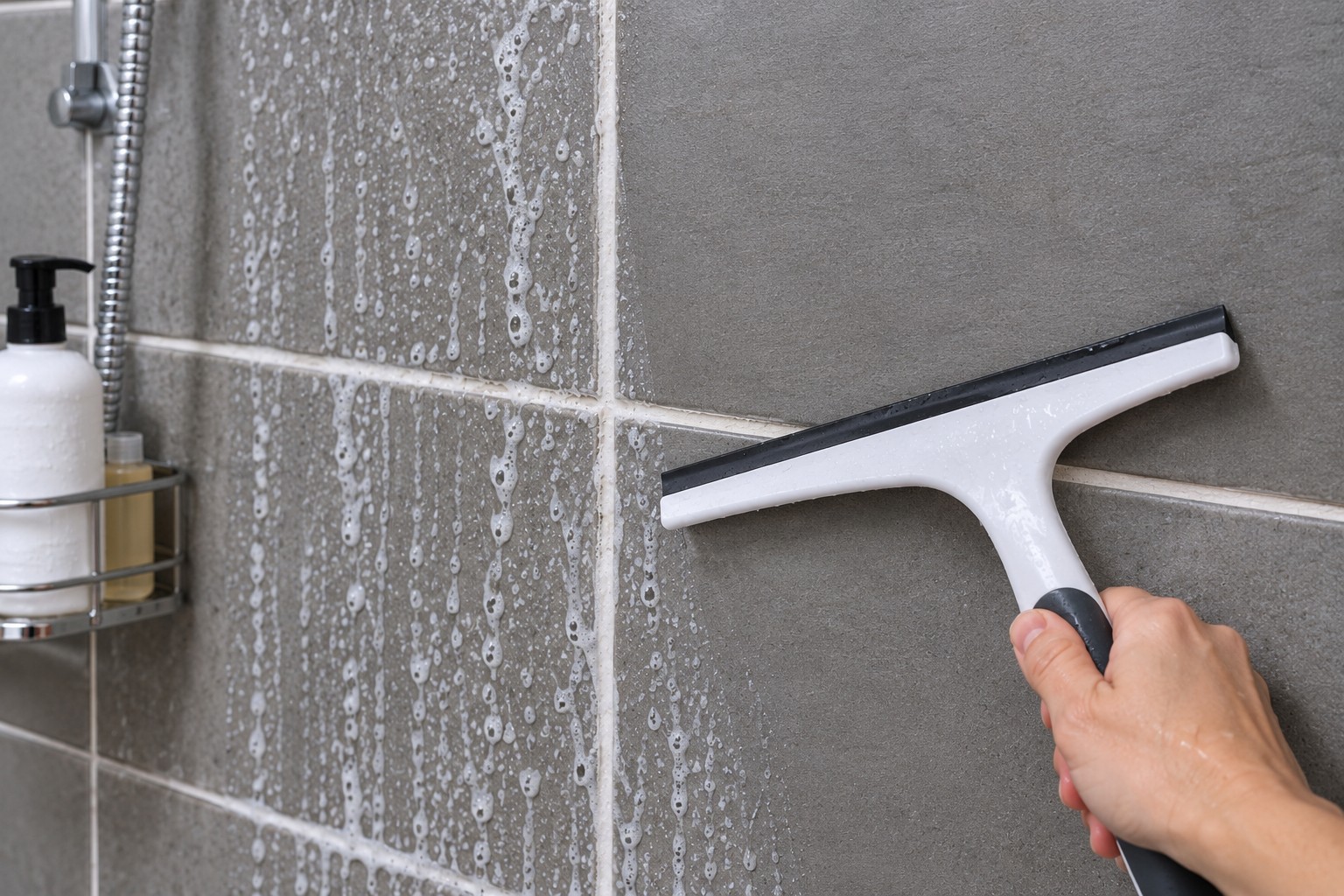
- Squeegee after every shower. Thirty seconds removes the water that carries soap and minerals into the grout.
- Switch to liquid body wash. Liquid soaps and syndet bars contain little of the tallow-based soap that reacts with hard water.
- Run the exhaust fan for 20 minutes. Faster drying means less residue settles into the lines.
- Seal the grout. A penetrating sealer fills the pores so film stays on the surface; my guide on how to seal grout shows how.
- Spray weekly. A light dish soap spray once a week stops thick layers from forming.
Hard-water homes get the biggest payoff from a showerhead filter or a water softener. Softer water carries fewer calcium and magnesium ions, so soap has far less to bind with in the first place.
When Soap Scum Grout Removal Still Isn't Working
Grout that stays dark after two full rounds of cleaning usually has a problem beyond soap scum. Black or green spots point to mold, which needs its own approach, and I cover it in my guide to removing mold from shower grout.
Crumbling, cracked, or missing grout calls for repair rather than cleaning. When lines are powdery, sunken, or letting water behind the tile, regrouting is the lasting fix. A professional is also worth hiring for natural stone showers, large tiled areas, or grout sealed with an unknown product, since the wrong cleaner can cause damage that's expensive to reverse. For product picks, my bathroom grout cleaner roundup lists what I actually trust.
Final Thoughts
Soap scum on grout is a very solvable problem once the two-part chemistry makes sense. Cut the oily film with an alkaline cleaner, dissolve the minerals with a mild acid, rinse completely, and dry the surface. After that, a squeegee and a good sealer keep the lines clean with almost no effort.
Frequently Asked Questions
What is the fastest soap scum grout removal method?
The fastest approach is the two-step method: dish soap or baking soda paste first, then a 50/50 vinegar spray. Each step needs only 5 to 10 minutes of dwell time, so a full shower takes about 30 to 45 minutes. The result also lasts longer than a single-cleaner pass.
Does vinegar remove soap scum from grout?
Vinegar removes the mineral part of soap scum but not the oily part. Diluted 50/50 with water, it dissolves calcium deposits and loosens the film. Pair it with a dish soap or baking soda step for full results, and keep it off natural stone.
Can baking soda remove soap scum from grout?
Baking soda removes light to moderate soap scum through mild alkalinity and gentle abrasion. A thick paste left on for 10 minutes, then scrubbed and rinsed, works well. For heavy hard-water film, follow it with a vinegar spray applied separately.
How do I tell soap scum from mold on grout?
Soap scum is a grey-white, waxy film that smears into a greasy streak, while mold shows up as black, green, or pink spots, often with a musty smell. Mold needs targeted treatment, and in damp showers it can grow on top of scum.
How often should I do soap scum grout removal in a shower?
A deep soap scum grout removal session is needed about once a month in a hard-water shower, or every two to three months with soft water. A weekly dish soap spray and a daily squeegee stretch the time between deep cleans considerably.
Why does soap scum keep coming back on my grout?
Soap scum returns because bar soap, hard water, and slow drying keep supplying its ingredients. Porous, unsealed grout also holds residue deep in its pores. Liquid body wash, squeegeeing, better ventilation, and sealing the grout all slow the buildup.
Is vinegar safe on grout next to marble tile?
Vinegar isn't safe near marble, limestone, or travertine. The acid etches calcium-based stone and leaves dull, rough patches. Use a pH-neutral cleaner or baking soda paste instead, and keep acidic sprays off the tile surface.
Does sealing grout prevent soap scum?
Sealing grout reduces how deeply soap scum soaks in, which makes later cleaning much easier. A sealer doesn't stop film from forming on the surface, so regular squeegeeing still matters. Reapply sealer every one to two years in a busy shower.
What is the best soap scum grout removal product for heavy buildup?
For heavy buildup, an oxygen-based cleaner or a pH-appropriate commercial soap scum remover gives the strongest results. Check that the label lists grout or tile as a safe surface, follow the dwell time, and rinse well. Lighter jobs usually don't need anything beyond pantry ingredients.