
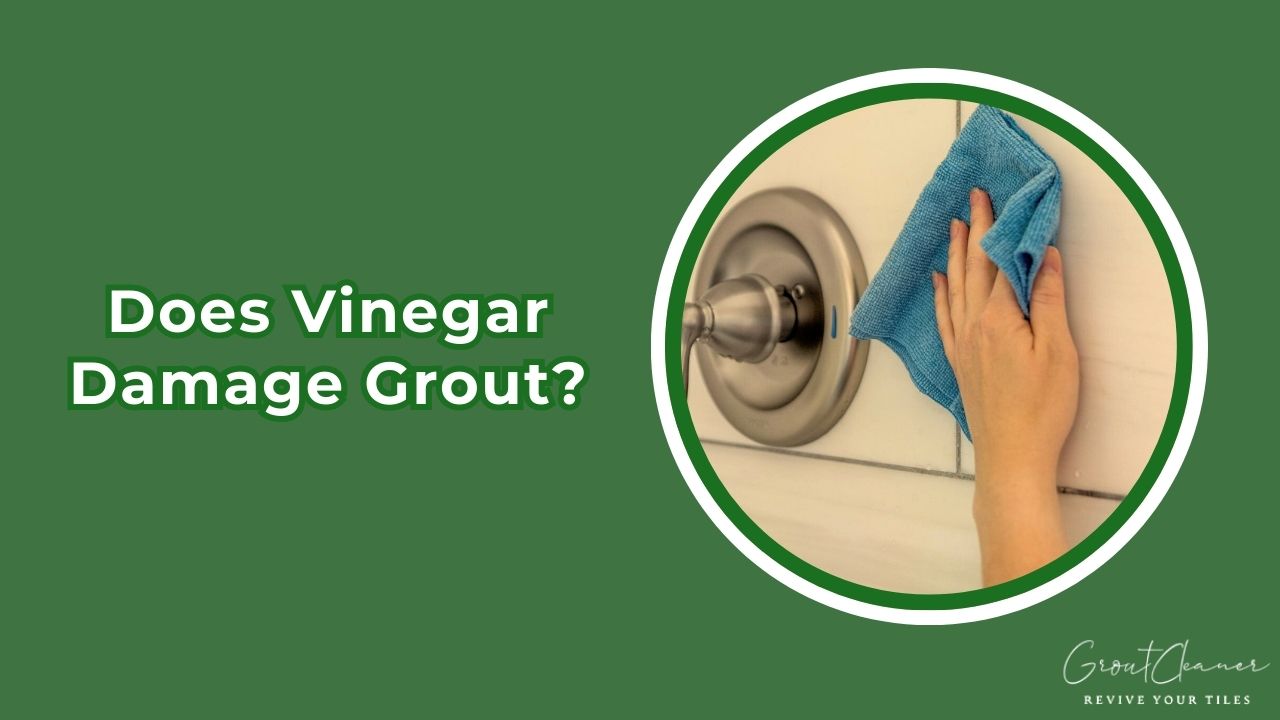
Yes, vinegar can damage grout over time. Because vinegar is acidic, it can gradually erode and weaken grout, especially if the grout is unsealed or exposed to frequent cleaning. This may lead to discoloration, crumbling, and reduced durability. While vinegar is effective for removing dirt and mineral buildup, most tile and grout professionals recommend using pH-neutral cleaners instead. For routine grout cleaning, choose products specifically designed for tile and grout to protect the surface and extend the life of your installation.
Grout plays a vital role in holding tiles together and keeping moisture out of the gaps. However, many homeowners rely on vinegar as a natural cleaning solution. In this guide, we explain how vinegar affects grout, when it may cause damage, and the safest alternatives for maintaining clean, long-lasting grout.
Is Vinegar Bad for Grout?
Vinegar is an acidic substance commonly used for cleaning. While it effectively removes dirt and grime, it can be harmful to grout if not used properly. The acid in vinegar slowly breaks down the structure of grout, weakening it over time.
If your grout is already sealed, vinegar might have a lesser impact, but for unsealed grout, the acid can cause degradation, leading to crumbling and discoloration.
Why Does Vinegar Damage Grout?
- Acidic Erosion: Vinegar’s acidity eats away at the cement-based grout, causing it to deteriorate.
- Breaks Down Sealants: If your grout is sealed, vinegar can weaken the sealant, making it vulnerable to moisture and stains.
- Porosity of Grout: Unsealed grout is porous, absorbing the vinegar, which accelerates damage.
Does Vinegar Destroy Grout?
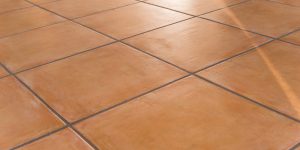
While vinegar won’t immediately destroy grout, long-term use can significantly weaken it. If used repeatedly, it can cause:
- Cracks in grout lines
- Color fading and dullness
- Softening of grout structure
- Mold growth due to increased moisture absorption
What Chemicals Damage Grout?
Apart from vinegar, other harsh chemicals can also degrade grout over time:
- Bleach: While bleach disinfects, it also weakens and discolors grout.
- Ammonia: Similar to vinegar, ammonia is highly alkaline and can degrade grout’s structure.
- Hydrogen Peroxide: Though a common cleaner, prolonged use can erode grout.
- Acidic Cleaners: Any cleaner with a low pH level can weaken and break down grout.
What Surfaces Should Not Be Cleaned With Vinegar?
While vinegar is a natural cleaning agent, it’s not suitable for all surfaces. Here are some surfaces that should never be cleaned with vinegar:
- Natural Stone Tiles (Marble, Granite, Limestone): Vinegar can cause etching and dull the surface.
- Unsealed Grout: Absorbs vinegar, leading to faster deterioration.
- Wood Flooring: The acid in vinegar can strip the finish and cause warping.
- Aluminum and Cast Iron: Vinegar can corrode and damage these metals.
- Electronic Screens: Can degrade protective coatings on TV and phone screens.
What is the Disadvantage of Vinegar in Cleaning?
While vinegar is a great natural cleaner, there are several downsides:
- Damage to Surfaces: Acidic properties can corrode grout, stone, and certain metals.
- Unpleasant Smell: Some people find the strong vinegar odor difficult to tolerate.
- Limited Disinfecting Power: Unlike bleach, vinegar doesn’t kill all bacteria and viruses.
- Residue Buildup: If not rinsed properly, vinegar can leave a residue that attracts dirt.
Safe Alternatives to Vinegar for Cleaning Grout
To keep your grout clean without risking damage, consider these safe alternatives:
- Baking Soda and Water: Forms a mild, non-damaging cleaning paste.
- Hydrogen Peroxide and Baking Soda: A powerful yet safe cleaning mix.
- Mild Dish Soap and Warm Water: Gently cleans grout without eroding it.
- Steam Cleaning: Uses high heat to lift dirt without chemicals.
- Oxygen Bleach: A safer alternative to chlorine bleach for removing stains.
How to Properly Clean Grout Without Damage
Step 1: Dust and Sweep
Remove loose dirt and dust before applying any cleaning solution.
Step 2: Apply a Gentle Cleaning Solution
Use baking soda paste (baking soda + water) or a mild soap solution.
Step 3: Scrub Gently
Use a soft-bristle brush to avoid scratching or damaging the grout.
Step 4: Rinse Thoroughly
Ensure all cleaning residue is removed to prevent dirt buildup.
Step 5: Dry Completely
Moisture can lead to mold growth, so always dry the area after cleaning.
Preventing Grout Damage: Best Practices

- Seal Grout Regularly: Sealing protects grout from moisture, stains, and damage.
- Avoid Harsh Chemicals: Use pH-neutral cleaners to prolong grout life.
- Wipe Spills Immediately: Prevents staining and damage from acidic substances.
- Use Soft Brushes: Hard-bristled brushes can scratch and degrade grout.
- Maintain Proper Ventilation: Reduces moisture buildup that can lead to mold.
DIY Grout Cleaning Solutions
If you’re looking for homemade grout cleaners, here are some effective and safe options:
Baking Soda and Vinegar (for Occasional Use Only)
- Sprinkle baking soda over the grout.
- Spray a diluted vinegar solution (1 part vinegar, 3 parts water).
- Let it bubble for a few minutes, then scrub and rinse.
Hydrogen Peroxide and Baking Soda
- Mix baking soda and hydrogen peroxide to create a paste.
- Apply to grout and let sit for 10 minutes.
- Scrub gently and rinse with warm water.
Lemon Juice and Baking Soda
- Lemon juice acts as a mild natural acid to lift stains.
- Mix with baking soda to form a paste.
- Apply to grout, scrub lightly, and rinse thoroughly.
Final Verdict: Should You Use Vinegar on Grout?
While vinegar is an effective cleaner, it should not be used on grout regularly due to its acidic nature. If you must use vinegar, always dilute it with water and limit its use to avoid long-term damage. Opt for safer alternatives like baking soda, mild soap, or steam cleaning to maintain grout integrity.
Frequently Asked Questions (FAQs)
Q1. Does vinegar destroy grout?
Yes, vinegar can weaken grout over time by dissolving its cementitious components.
Q2.What chemicals damage grout?
Acidic cleaners (vinegar, lemon juice), bleach, ammonia, and harsh abrasives.
Q3. What is the disadvantage of vinegar in cleaning?
It can damage certain surfaces, leave a strong odor, and is ineffective against some germs.
Q4. What does vinegar react badly with?
Bleach (toxic gas), baking soda (neutralization), hydrogen peroxide (irritant gas).