

The grout cleaner brush is one matched to your tile type and grime level — a standard stiff-nylon brush for routine upkeep, a grout cleaner drill brush for large or heavily soiled floors, and a softer-bristle brush for natural stone. In my 10+ years of testing, matching the brush to the surface matters more than any single “best” product.
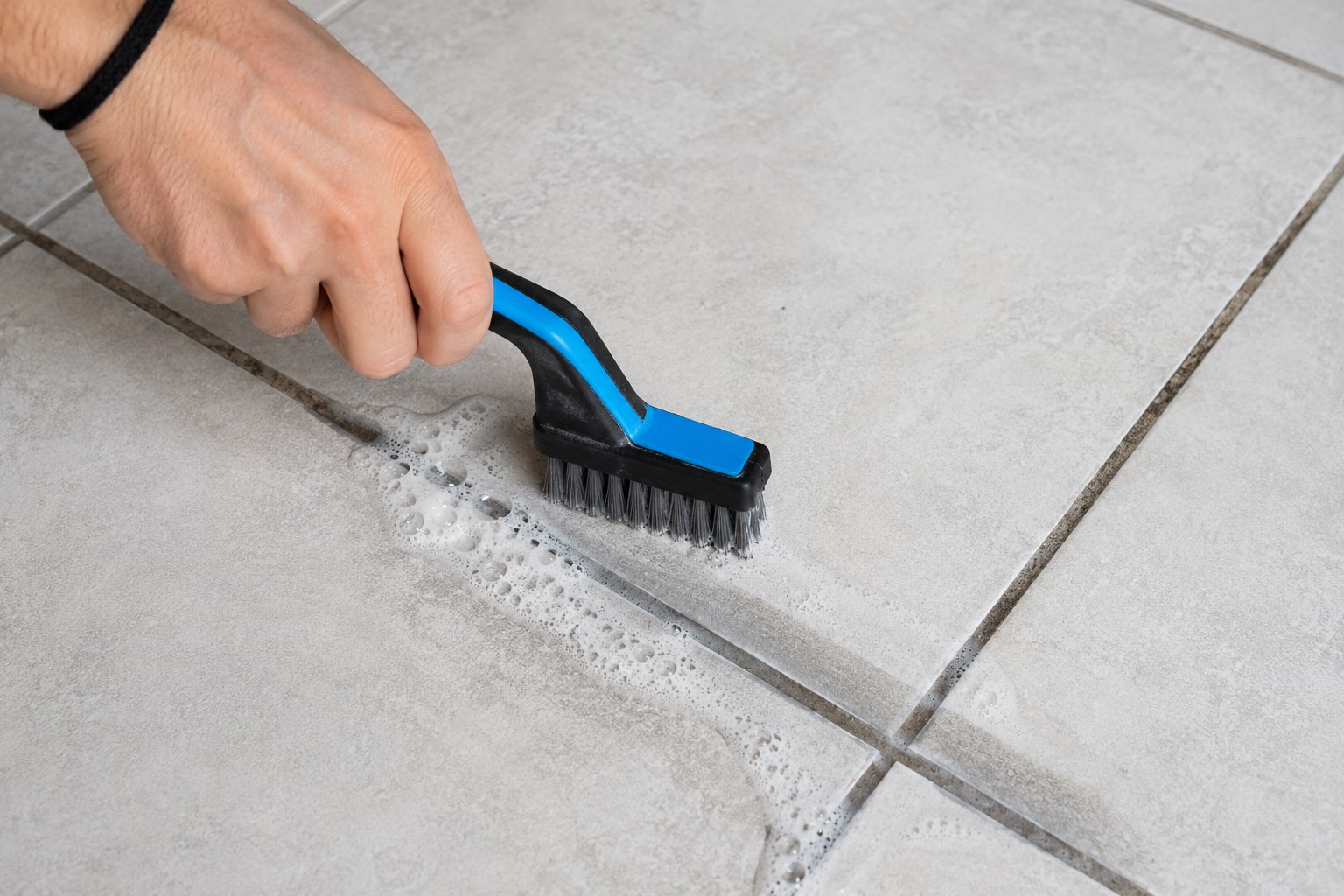 I’ve been cleaning tile and grout professionally for over 10 years, and if you asked me to name the one tool that makes or breaks a cleaning job, it’s the grout cleaner brush. Not the cleaning solution, not the sealer — the brush. I’ve personally gone through more than 40 different brushes on my own bathroom, kitchen, and client jobs, from cheap plastic ones that fell apart in a week to drill attachments that saved me hours on big floor jobs. Here’s everything I’ve learned, hands-on, about picking the right one and using it properly.
What Is a Grout Cleaner Brush and Why You Need One
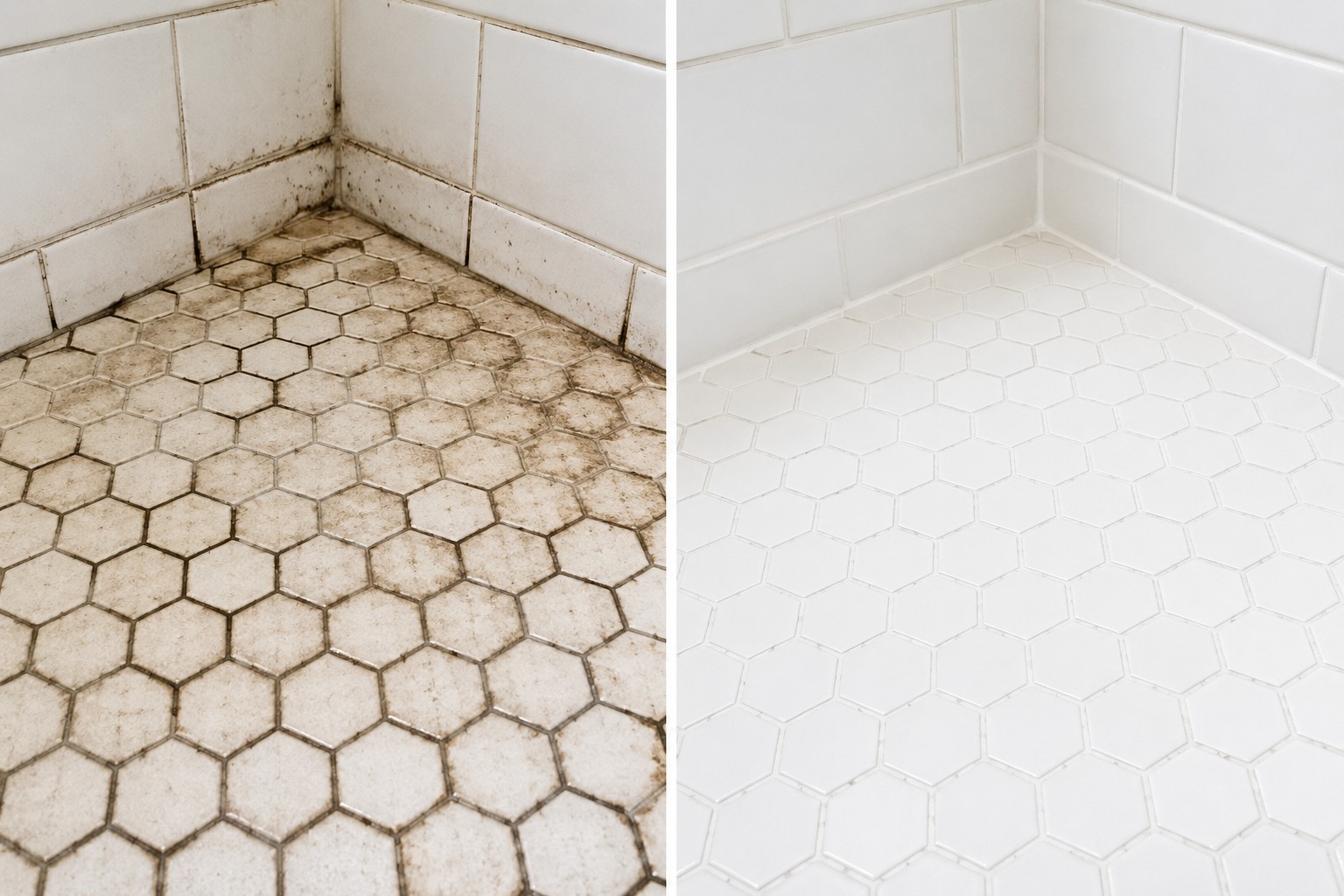
A grout cleaner brush is a brush built specifically to fit into the narrow, recessed lines between tiles and scrub out dirt, mold, and soap scum that a sponge or cloth can’t reach. Because grout sits below the tile surface and is more porous, it traps grime differently than tile does, and this tool exists to close that gap. Regular household brushes just aren’t shaped for the job. A toothbrush works for a day or two, then the bristles splay out and stop reaching the bottom of the grout line. A proper grout brush cleaner is built with stiffer, denser bristles arranged specifically to reach into that joint instead of skimming across the top of it. In my own before-and-after jobs, I’ve found that grout left unsealed and unbrushed for more than a year picks up visibly darker staining in the joints closest to shower drains and sink basins — the two spots that stay damp the longest. That’s not a coincidence; it’s simply where moisture sits.Here’s why I tell every client to keep one under the sink:
- Grout absorbs moisture and dirt faster than tile does, so it becomes a breeding ground for mold and bacteria if it’s not brushed out regularly.
- Buildup that’s left alone doesn’t just look bad — it slowly breaks down the grout itself, which means a costlier re-grouting job down the road.
- A clean grout line genuinely changes how a whole room looks. I’ve had clients tell me their bathroom “looks renovated” after nothing more than a proper grout scrub.
Types of Tile Grout Cleaner Brushes (And Which One I’d Actually Buy)
Different jobs need different brushes — a manual brush for weekly upkeep, a drill brush for large or neglected floors, and a softer brush for natural stone. Here’s how I choose between them for a real job.Standard Grout Brush
This is the classic dual-headed or single-headed manual brush with stiff nylon bristles. It’s what I reach for on routine maintenance — a quick weekly scrub in the shower or kitchen backsplash. It’s affordable, it lasts a long time if rinsed out properly, and in my experience it’s genuinely all that roughly 8 out of 10 homes need.Grout Cleaner Drill Brush
This one changed how I work on big floor jobs. A grout cleaner drill brush attaches to a standard power drill and spins at high speed, cutting a twenty-minute manual scrub down to under five minutes on the same area. If you’ve got a large kitchen or hallway floor with grout that hasn’t been cleaned in years, this is the tool that gets it done without wrecking your knees and wrists. My one caution: on natural stone tile, a drill brush spinning too fast with the wrong bristle can dull or scratch the surface, so always test a small hidden spot first.Heavy-Duty Grout Brush
Built with reinforced, extra-stiff bristles, this is what I bring to commercial jobs or homes where the grout hasn’t seen a brush in years. It’s overkill for weekly maintenance, but for a deep, one-time restoration clean, it earns its place in the kit. [Image: Grout Brush Types — standard, drill attachment, and heavy-duty side by side]Long-Handle Grout Brush
For floor grout specifically, bending over for twenty minutes gets old fast. A long-handle version lets you scrub standing up, which matters more than people expect once you’re doing a full kitchen or hallway floor.Grout Brush for Shower and Wet Areas
Showers deal with constant moisture, soap scum, and mildew, so a brush designed for wet environments — usually with moisture-resistant bristles and a rust-proof head — holds up noticeably longer than a standard one meant for drier areas. In my testing, a standard brush used daily in a shower started losing bristle stiffness within about six to eight weeks, while a moisture-resistant one held up for several months longer.Grout Cleaner Brush Comparison Table
Here’s a quick side-by-side of every type I’ve covered, so you can match one to your situation at a glance:
| Brush Type | Best For | Bristle Type | Effort Level | My Rating |
|---|---|---|---|---|
| Standard Grout Brush | Weekly maintenance | Medium-stiff nylon | Manual | Best for Most Homes |
| Grout Cleaner Drill Brush | Large floors, heavy buildup | Stiff nylon (swap heads) | Powered | Best Time-Saver |
| Heavy-Duty Grout Brush | Years of neglect, commercial use | Extra-stiff, reinforced | Manual | Best for Deep Restoration |
| Long-Handle Grout Brush | Floor grout, avoiding bending | Medium-stiff nylon | Manual | Best for Comfort |
| Shower/Wet-Area Brush | Bathrooms, soap scum, mildew | Moisture-resistant nylon | Manual | Best for Humid Spaces |
If you only buy one, get a standard grout cleaner brush. If your floors haven’t been touched in years, add a grout cleaner drill brush to the cart — it’s the upgrade that saves the most time.
How to Pick the Right Grout Cleaner and Brush for Your Home
Match the brush to your tile material first, then to how dirty the grout actually is — that order matters more than price or brand. If you have porcelain or ceramic tile, you can go with stiffer bristles without worry, since these materials handle abrasion well. If you have natural stone like marble, travertine, or slate, use a softer nylon brush. I scratched a client’s marble shower years ago with a bristle that was too aggressive, and it’s a mistake I never made twice. For grime level, think about how long it’s been since the grout was last cleaned. Weekly upkeep only needs a standard manual brush. Anything that’s gone six months or more without attention usually needs a heavy-duty brush or a grout cleaner drill brush to break through the buildup efficiently. Comfort matters more than people think, too. An ergonomic handle with a non-slip grip makes a real difference once you’re twenty minutes into scrubbing a full bathroom floor.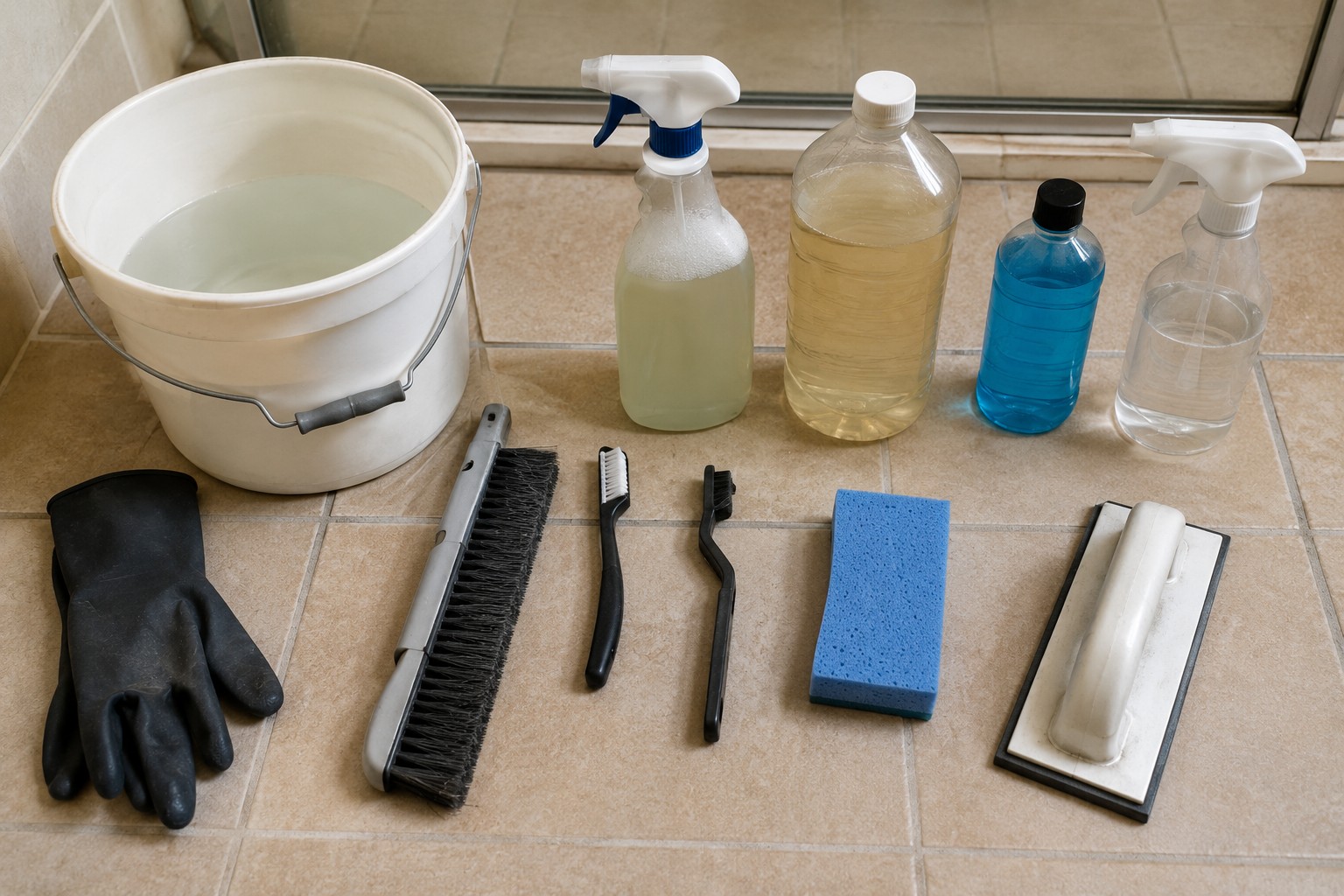
My Step-by-Step Grout Cleaning Process
Clear debris, apply a cleaner, scrub in sections, rinse fully, then reseal — that five-step order is what I follow on every single job, residential or commercial.- Clear loose debris. I always vacuum or dry-sweep the floor before applying any liquid, because skipping this step just turns dry dirt into a muddy paste that’s harder to remove.
- Apply a cleaning solution and let it sit. For routine cleaning, a baking soda and water paste works well. For tougher, older stains, I’ll use a dedicated grout cleaner product and let it dwell for five to ten minutes so it has time to break the grime down before scrubbing starts.
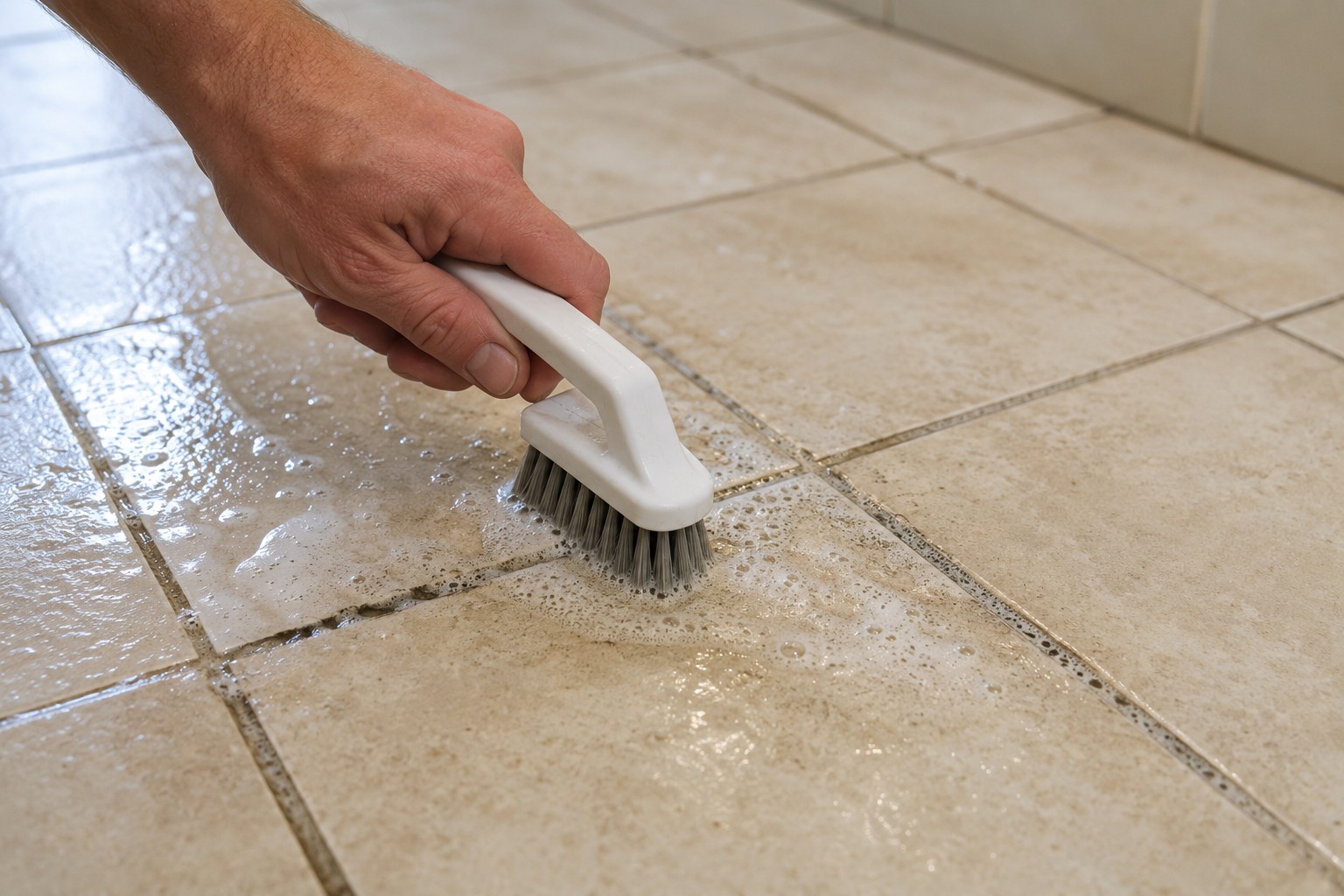
- Scrub in small sections using a circular motion. If I’m using a grout cleaner drill brush, I let the tool’s speed do the work and just guide it along the line rather than pressing down hard, which can actually reduce its effectiveness and wear out the bristles faster.
- Rinse thoroughly and dry the area completely. This step gets skipped more than any other, and it’s a mistake — leftover moisture sitting in the grout is exactly what invites mold back within days.
- Reseal periodically. I reseal grout in high-traffic areas about once a year. A sealed grout line resists staining dramatically better than bare grout, which means less scrubbing needed next time.
Mistakes I See All the Time
The biggest mistake is mismatching bristle stiffness to tile material, followed closely by skipping the sealer — both shorten how long a clean actually lasts.- Scrubbing too aggressively, too often. Grout is softer than the tile around it, and daily hard scrubbing wears it down faster than dirt ever would on its own.
- Using a stiff brush or a fast drill attachment on natural stone. This is the single most common damage I run into on stone tile jobs.
- Skipping the sealer after a deep clean. Unsealed grout re-stains almost immediately, which makes the whole cleaning effort short-lived.
- Letting stains sit for days before addressing them. A fresh spill wipes away in seconds. The same stain a week later can take real elbow grease and repeated scrubbing to shift.
Final Thoughts
After a decade of testing brushes on everything from cheap apartment bathrooms to marble-floored kitchens, my honest take is this: a standard grout cleaner brush covers most households just fine, and a grout cleaner drill brush is worth the investment the moment you’re dealing with a large floor or grout that’s gone untouched for a long time. Match the bristle stiffness to your tile, don’t skip the sealer, and clean before stains have a chance to set — that combination will keep your grout looking new far longer than any single product ever will.Frequently Asked Questions
Is a grout cleaner drill brush safe for all tile types?
Not always. It works great on porcelain and ceramic, but on natural stone like marble or travertine, a fast-spinning drill brush can scratch or dull the surface, so I’d stick to a manual brush with softer bristles there, or test a hidden spot first.
Do I really need to seal my grout after cleaning?
Yes, and I treat this as a non-negotiable last step on every job. It’s the difference between grout staying clean for months and grout that stains again within a couple of weeks.
What’s the difference between a grout cleaner brush and a regular scrub brush?
A grout cleaner brush is shaped and sized specifically to fit into the narrow recessed grout line, while a regular scrub brush is flat and mainly designed for wider, open surfaces. The narrow bristle head is what lets it actually reach into the joint instead of just brushing the top of it.
Can I make my own grout cleaner and brush combo at home?
Yes — a baking soda and water paste applied with a stiff-bristled brush handles most routine grout cleaning without needing a store-bought product, and it’s what I use for regular maintenance between deeper cleans.
How long does a grout cleaner brush usually last
With regular rinsing after each use, a standard manual brush typically holds its shape for four to six months before the bristles start to soften. Drill brush heads tend to wear faster on heavy floor jobs and often need replacing every two to three months of frequent use.
Can I use vinegar with a grout cleaner brush?
You can, but sparingly. Vinegar works well on light, everyday grime, but it can gradually wear down grout sealer with repeated use, so I only reach for it occasionally rather than as a weekly routine.