

In today’s evolving home improvement landscape, epoxy grout for showers stands out as a game-changing solution for homeowners and designers alike. We are committed to providing an in-depth look at epoxy grout, detailing its advantages, installation process, and maintenance tips to ensure a lasting, pristine shower finish that surpasses traditional options.
Defining Epoxy Grout
Epoxy grout is a high-performance, polymer-based grout formulated to resist moisture, stains, and chemicals. Unlike traditional cement-based grouts, epoxy variants consist of a two-part system that chemically cures to form a seamless, robust finish. This modern grouting solution is specifically designed for high-moisture areas, making it an ideal choice for showers, spas, and bathrooms.
Advantages of Using Epoxy Grout in Showers
We have found that the adoption of epoxy grout in shower installations offers numerous benefits. These include unparalleled water and stain resistance, improved durability, and easier maintenance.
As we dive deeper, it becomes clear that epoxy grout’s superior performance transforms shower environments into spaces that are both aesthetically pleasing and functionally superior.
Key Benefits of Epoxy Grout in Shower Installations

Superior Water and Stain Resistance
Epoxy grout’s chemical composition is engineered to resist water penetration. This feature helps prevent water damage and unsightly staining often plaguing traditional grouts. The non-porous nature of epoxy grout means spills and splatters can be wiped away effortlessly, keeping your shower area looking new for years.
Enhanced Durability and Longevity
One of the primary reasons we recommend epoxy grout is its exceptional durability. Its resistance to cracking, chipping, and abrasion makes it an ideal choice for high-traffic shower areas. Homeowners who opt for epoxy grout enjoy a long-lasting finish that maintains its integrity even under constant exposure to moisture and heavy usage.
Simplified Cleaning and Maintenance
Epoxy grout’s slick, non-absorbent surface prevents the buildup of dirt and grime, making it significantly easier to clean compared to cement-based grouts. Routine cleaning is simplified to a quick wipe-down with mild cleaning agents, saving both time and effort. The low-maintenance aspect of epoxy grout is one of its strongest selling points, particularly in busy households.
Inhibition of Mold and Mildew Growth
Due to its non-porous nature, epoxy grout does not provide a hospitable environment for mold and mildew growth. In high-moisture settings such as showers, this feature is critical for maintaining a healthy and hygienic space. We emphasize that by choosing epoxy grout, you are investing in a cleaner and safer bathroom environment.
Epoxy Grout vs. Traditional Cement-Based Grout
Fundamental Differences
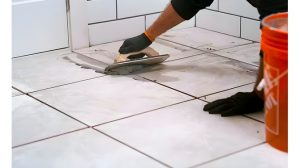
When comparing epoxy grout to traditional cement-based options, the differences become immediately apparent. Traditional grouts are generally porous, allowing water and contaminants to seep in, which can lead to discoloration and decay over time.
In contrast, epoxy grout is designed to form a continuous, impermeable barrier that resists water absorption and chemical damage.
Pros and Cons Comparison
- Epoxy Grout Pros:
- Exceptional Durability: Resists cracks and abrasions.
- Waterproof: Ideal for wet environments.
- Easy Maintenance: Simple to clean and maintain.
- Stain Resistant: Retains color and appearance over time.
- Traditional Grout Cons:
- Porous: Prone to water absorption and staining.
- Susceptible to Cracking: More likely to develop cracks and discoloration.
- Time-Consuming Cleaning: Requires regular sealing and maintenance.
We have observed that the long-term benefits of epoxy grout far outweigh the initial investment compared to traditional grouting solutions.
Selecting the Perfect Epoxy Grout for Your Shower
Color and Design Options
Epoxy grout is available in a diverse palette of colors and finishes that allow you to complement any shower design. Whether your style leans towards modern minimalism or classic elegance, you can choose a color that enhances the overall aesthetics of your bathroom. Our extensive range of color options ensures that every installation reflects your unique taste and design vision.
Tile Compatibility and Performance
Compatibility is essential when selecting the right grout for your tiles. Epoxy grout adheres well to a wide variety of surfaces, including ceramic, porcelain, and natural stone. Its chemical formulation bonds seamlessly with tile surfaces, ensuring a durable and cohesive finish. We recommend consulting with tile manufacturers to ensure optimal performance and compatibility with your specific tiles.
Considerations for High-Moisture Environments
For shower installations, the grouting material must withstand continuous exposure to water and humidity. Epoxy grout excels in high-moisture environments due to its water-resistant properties. In addition to water resistance, the chemical composition of epoxy grout protects against common bathroom challenges such as soap scum, mildew, and mold growth, ensuring a consistently clean and appealing finish.
Installation Guide: How to Apply Epoxy Grout in Your Shower
Required Tools and Materials
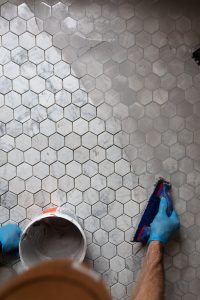
Before beginning your grouting project, we suggest gathering the following tools and materials:
- Epoxy grout kit (resin and hardener)
- Mixing paddle and bucket
- Rubber grout float
- Sponge and clean water
- Protective gloves and eyewear
- Masking tape
Preparing Your Shower Area
Proper preparation is crucial for achieving a flawless finish. Start by ensuring that the tile surfaces are clean, free from dust, and dry. Use masking tape to protect the edges of the tiles and adjacent surfaces from accidental smearing. This preparation phase is vital to ensure that the epoxy grout adheres correctly and sets evenly.
Step-by-Step Grouting Process
- Mixing the Epoxy Components: Follow the manufacturer’s instructions to combine the resin and hardener in the recommended proportions. Mix thoroughly until the solution achieves a uniform consistency.
- Application: Use a rubber grout float to apply the epoxy grout into the joints, ensuring complete filling and eliminating any gaps.
- Removal of Excess Grout: Work the grout into the joints at a consistent angle and remove the excess from the tile surface immediately to avoid staining.
- Cleaning: With a damp sponge, carefully clean the tile surface. Rinse frequently to avoid spreading the grout residue.
- Final Touches: Allow the grout to settle for the recommended curing period before applying any finishing sealants if necessary.
Curing Time and Sealing Best Practices
The curing time for epoxy grout is typically shorter than that of traditional grout, but it is essential to follow the manufacturer’s guidelines. Proper curing ensures maximum strength and adhesion. Although most epoxy grouts are self-sealing, in certain applications, an additional sealant can further enhance durability and stain resistance.
Caring for Epoxy Grout in Showers
Cleaning Tips and Tricks
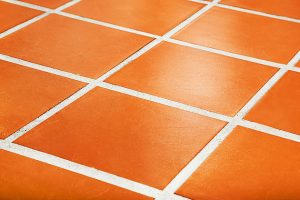
Maintaining the pristine condition of your epoxy grout is simple. We advise the following cleaning tips:
- Regular Wipe-Down: Use a soft cloth or sponge with mild detergent to clean the grout lines.
- Avoid Abrasive Cleaners: Steer clear of harsh chemicals or abrasive cleaning tools that might compromise the integrity of the grout.
- Prompt Stain Removal: Tackle any spills or stains immediately to prevent long-term discoloration.
Maintenance Do’s and Don’ts
- Do:
- Clean regularly with non-abrasive tools.
- Follow manufacturer instructions for any specialized cleaning products.
- Don’t:
- Use high-acid cleaners or bleach solutions.
- Delay cleaning to the point where buildup occurs, as this may impact the grout’s performance.
Avoiding Common Pitfalls with Epoxy Grout
Mistakes During Application
Errors during application can affect both the appearance and performance of epoxy grout. Common pitfalls include improper mixing, uneven application, and failure to remove excess grout promptly. We recommend a cautious approach—measure components accurately, apply evenly, and ensure that all surfaces are clean during the process.
Maintenance Errors to Watch For
While epoxy grout is low maintenance, neglect can lead to reduced performance. Avoid using harsh chemicals and never let soap scum or dirt accumulate. Routine cleaning and inspection will keep your shower looking fresh and prevent the early onset of any issues.
Final Thoughts and Recommendations
Epoxy grout offers a superior alternative to traditional cement-based grouts, especially in shower installations where moisture resistance, durability, and ease of maintenance are paramount. We believe that investing in high-quality epoxy grout not only enhances the aesthetics of your shower but also provides a long-lasting, hygienic solution that meets the demands of modern living.
The benefits—ranging from simplified cleaning and excellent water resistance to the inhibition of mold and mildew growth—make epoxy grout the preferred choice for homeowners and professionals alike. For those seeking a modern shower upgrade, adopting epoxy grout is a step towards a more resilient, attractive, and low-maintenance bathroom space.
If you are planning a renovation or designing a new shower, we encourage you to explore the versatility and performance of epoxy grout. Its broad range of color options and compatibility with different tile types means that you can achieve a customized look without compromising on functionality.
In summary, epoxy grout for showers is an innovative solution that redefines bathroom standards. By carefully selecting the right product, following proper installation techniques, and committing to routine maintenance, you can enjoy a shower that remains vibrant and pristine over time. This advanced grouting solution is more than just a material choice—it’s an investment in the quality, safety, and beauty of your home.
Frequently Asked Questions (FAQs)
Q1. Is Epoxy Grout Prone to Slipperiness?
Epoxy grout itself does not typically contribute to slipperiness. However, the overall safety of a shower also depends on the tile surface and proper cleaning practices. We suggest choosing textured tiles for added grip.
Q2. Can It Be Applied Over Existing Grout?
Epoxy grout can sometimes be applied over existing grout if the surface is sound and properly prepared. We recommend thorough cleaning and removal of any deteriorated grout to ensure the new epoxy adheres correctly.
Q3. What Is the Expected Lifespan of Epoxy Grout?
With proper installation and regular maintenance, epoxy grout can last significantly longer than traditional grouts. In most cases, you can expect it to remain in excellent condition for many years, providing a durable solution for high-moisture areas.
Q4. Does Epoxy Grout Require Sealing?
Most epoxy grouts are self-sealing; however, depending on the product and installation environment, an additional sealant may further protect against stains and water intrusion. We always advise following manufacturer recommendations.
Q5. Can Epoxy Grout be Used on All Types of Tiles?
Yes, epoxy grout works exceptionally well with various tile types, including porcelain, ceramic, and natural stone. Its strong adhesion and chemical resistance make it a versatile option for many bathroom designs.