

Grout is essential in tiling projects, holding tiles together and giving a polished look to surfaces. However, a common issue many homeowners face is grout cracking. Understanding why is my grout cracking and how to prevent it can save you time, money, and frustration.
Understanding Grout
Grout is a mixture of water, cement, and sand used to fill the spaces between tiles. It not only keeps tiles in place but also prevents water and debris from getting underneath them.
Types of Grout
There are several types of grout, including:
- Cementitious grout: Made from a mixture of cement, water, and sand.
- Epoxy grout: Made from epoxy resins and a filler powder.
- Furan grout: Composed of polymers of furfuryl alcohol and highly resistant to chemicals.
Why Is My Grout Cracking?
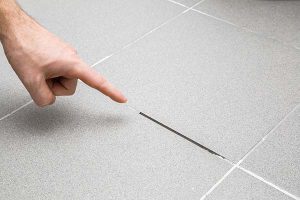
Grout cracking can be perplexing and frustrating. It often starts with small lines that can grow into larger gaps. Identifying and understanding the reasons behind grout cracking is crucial for effective repair and prevention.
Common Signs of Grout Cracking
- Visible lines or gaps in the grout
- Loose or moving tiles
- Water seepage under tiles
What Causes Grout to Crack?
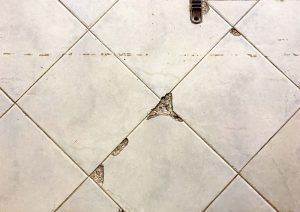
Poor Installation
Improper installation is one of the leading causes of grout cracking. If grout is not applied correctly, it can fail prematurely.
Improper Mixing
Grout must be mixed to the right consistency. Too much water can weaken the grout, while too little can make it difficult to apply.
Movement in the Substrate
If the surface beneath the tiles shifts or moves, it can cause the grout to crack. This is common in areas with high foot traffic or in structures that settle over time.
Incorrect Curing
Grout needs time to cure properly. If it’s exposed to water or heavy use too soon, it can crack.
Excessive Moisture
Areas with high moisture levels, like bathrooms and kitchens, can cause grout to weaken and crack.
Heavy Traffic and Impact
High foot traffic or heavy impacts can stress the grout, leading to cracks.
Grout Cracking in Shower
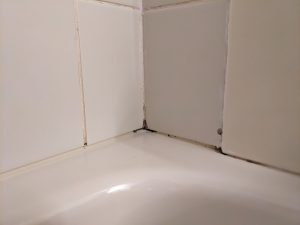
Specific Issues in Showers
Showers are particularly prone to grout cracking due to constant exposure to water and temperature changes.
How Moisture Affects Grout
Excessive moisture can weaken grout, causing it to crumble and crack over time. Mold and mildew can also contribute to grout deterioration.
Preventing Shower Grout Cracks
- Use waterproof grout
- Ensure proper ventilation to reduce moisture
- Regularly inspect and maintain grout
Cracked Grout in Floors

Common Floor Grout Problems
Floors endure a lot of wear and tear, leading to grout cracking. This is especially common in areas like kitchens, hallways, and entryways.
Preventive Measures for Floor Grout
- Use high-quality grout suitable for flooring
- Apply a sealer to protect grout from moisture and stains
- Implement a proper subfloor to minimize movement
How to Identify Grout Cracks Early
Visual Signs
Look for small lines or gaps in the grout, especially in high-traffic or wet areas.
Touch Test
Run your finger along the grout lines. If they feel rough or have gaps, it’s likely the grout is starting to crack.
Common Areas to Check
- Around sinks and bathtubs
- Along the edges of tiled floors
- In the corners of tiled walls
Repairing Cracked Grout
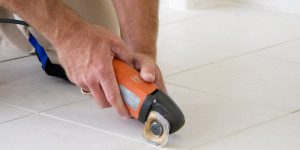
Simple Fixes for Minor Cracks
For small cracks, you can use a grout pen or reapply a thin layer of grout. Ensure the area is clean and dry before applying.
Comprehensive Repair for Major Damage
For significant cracks, you may need to remove the old grout and reapply a fresh batch. This can be labor-intensive but will provide a long-lasting solution.
Preventing Future Grout Cracks
Proper Installation Techniques
Hire professionals or follow detailed guides to ensure grout is applied correctly.
Choosing the Right Grout
Select grout that is suitable for the specific area, considering factors like moisture and traffic.
Maintenance Tips
Regularly clean and inspect grout, and apply a sealer if needed to protect it from moisture and stains.
Professional Help
When to Call a Professional
If you notice large cracks or loose tiles, it’s best to call a professional to assess and repair the damage.
Finding a Reliable Contractor
Look for contractors with good reviews and ask for references. Ensure they have experience with grout and tile repair.
DIY vs. Professional Repair
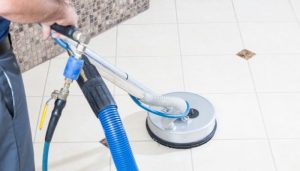
Pros and Cons of DIY Repairs
Pros:
- Cost-effective
- Immediate action
Cons:
- Time-consuming
- Requires some skill and knowledge
Cost Considerations
Professional repairs can be expensive, but they ensure the job is done correctly and can prevent further issues.
Long-term Grout Care
Regular Cleaning Tips
Use mild grout cleaner and avoid harsh chemicals that can damage grout. Regularly clean to prevent mold and mildew growth.
Sealing Grout
Apply a grout sealer every six months to a year to protect against moisture and stains.
Conclusion
Grout cracking is a common issue, but understanding the causes and taking preventive measures can help keep your tiles in top shape. Whether you opt for DIY repairs or seek professional help, maintaining your grout is essential for the longevity of your tiled surfaces.
Frequently Asked Questions (FAQs)
Q.1 Why does grout crack?
Grout can crack due to improper installation, substrate movement, excessive moisture, and heavy traffic.
Q.2 How can I prevent grout from cracking in my shower?
Use waterproof grout, ensure proper ventilation, and regularly inspect and maintain the grout.
Q.3 What should I do if I find cracked grout in my shower?
For minor cracks, use a grout pen. For major cracks, remove the old grout and reapply a new batch.
Q.4 Can I fix cracked grout myself?
Yes, minor cracks can be fixed with DIY methods. However, for major damage, it’s best to consult a professional.
Q.5 How often should I seal my grout?
Seal your grout every six months to a year to protect it from moisture and stains.