

Grout plays a crucial role in keeping tiles in place and enhancing the aesthetic of a space. However, over time, many homeowners notice their grout turning yellow, making the entire area look unclean and aged. This discoloration can be frustrating, but understanding the causes and solutions can help prevent and restore your grout to its original color.
In this guide, we will discuss why grout turns yellow, how to prevent it, and the best cleaning solutions to restore its white appearance.
Why Does Grout Turn Yellow? Common Causes

1. Hard Water Stains
Hard water contains high levels of minerals like calcium, magnesium, and iron. When water evaporates, these minerals get left behind, creating stubborn stains that cause grout to turn yellow. This is particularly common in bathrooms and kitchens where water is frequently used.
2. Soap Scum Buildup
Soap, shampoo, and body wash leave behind residues that accumulate on grout lines. Over time, these residues mix with hard water minerals and dirt, leading to yellow discoloration.
3. Harsh Cleaning Products
Using strong chemicals like bleach or ammonia-based cleaners may initially seem effective, but they can weaken and damage grout. This makes grout more porous, allowing dirt and stains to settle more easily, causing yellowing.
4. Mildew and Mold Growth
Bathrooms and kitchens have high humidity, which creates the perfect environment for mold and mildew growth. As mildew develops, it can cause grout to discolor and turn yellow.
5. Poor Cleaning Habits
Irregular cleaning routines allow dirt, dust, and moisture to build up on grout. Over time, this accumulation can lead to yellowing and make it more challenging to clean.
6. Grout Type
Some grout materials, like epoxy grout, are more prone to yellowing due to their chemical composition. Additionally, light-colored grout tends to show stains more visibly than darker grout.
7. Residue from Aerosol Sprays
Hairsprays, air fresheners, and other aerosol products can leave behind a sticky film that gradually causes yellow stains on grout.
How to Prevent Grout from Turning Yellow

1. Regular Cleaning
Keeping grout clean is the best way to prevent yellowing. Use a mild cleaner, such as a mixture of baking soda and water, and scrub grout at least once a week to remove dirt and soap scum.
2. Use a Grout Sealer
Applying a grout sealer helps protect grout from absorbing water, dirt, and stains. Seal grout every 6–12 months to maintain its cleanliness.
3. Address Hard Water Issues
If hard water is a problem in your home, consider installing a water softener or using a hard water removal product to reduce mineral deposits.
4. Choose the Right Cleaning Products
Avoid harsh chemicals like bleach and ammonia, as they can break down grout over time. Instead, use pH-balanced cleaners specifically designed for grout.
5. Improve Ventilation
Proper ventilation helps reduce humidity, preventing mildew and mold growth. Use an exhaust fan in the bathroom or open windows after showering.
6. Wipe Down Surfaces After Use
After using the shower or sink, wipe down tiles and grout with a dry towel to remove excess moisture and soap residue.
How to Get Grout White Again: Best Cleaning Methods
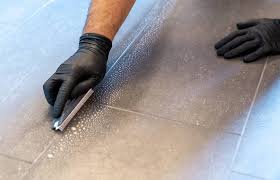
If your grout has already turned yellow, don’t worry! Here are some effective ways to restore its original color.
1. Baking Soda & Hydrogen Peroxide Paste
Ingredients:
- 1/2 cup baking soda
- 1/4 cup hydrogen peroxide
- 1 tsp dish soap
Method:
- Mix the ingredients to form a paste.
- Apply it to the grout and let it sit for 10–15 minutes.
- Scrub with a brush and rinse with warm water.
2. Vinegar & Baking Soda Solution
Ingredients:
- 1/2 cup white vinegar
- 1/2 cup baking soda
Method:
- Sprinkle baking soda on the grout.
- Spray vinegar over it and let it bubble for 5 minutes.
- Scrub the grout lines and rinse with water.
3. Oxygen Bleach Cleaner
Oxygen bleach is a safer alternative to chlorine bleach. Mix it with warm water, apply it to the grout, and scrub after 10 minutes.
4. Steam Cleaning
A steam cleaner is an excellent chemical-free method for deep cleaning grout. The high heat loosens dirt and kills bacteria.
5. Professional Cleaning Services
If your grout is severely stained, hiring a professional grout cleaning service can restore it to a like-new condition.
Additional Tips for Maintaining Clean Grout
1. Avoid Colored Soaps and Shampoos
Colored soaps and shampoos can leave residues that stain grout. Opt for clear or white soap to minimize discoloration.
2. Use a Squeegee After Showers
Using a squeegee to remove excess water from tiles and grout after showering can help prevent hard water stains and soap scum buildup.
3. DIY Natural Grout Cleaner
A homemade grout cleaner using equal parts of lemon juice and baking soda can be an effective and natural alternative to chemical cleaners.
4. Deep Clean Monthly
Even with regular cleaning, deep cleaning grout once a month using a stronger cleaner or steam cleaning method can help prevent long-term staining.
5. Replace Old Grout
If grout is severely stained and cannot be restored, consider re-grouting your tiles. Removing old, discolored grout and replacing it with fresh grout can dramatically improve the appearance of your space.
Final Thoughts
Yellowing grout can be frustrating, but it’s entirely preventable and fixable. By understanding the causes and using the right cleaning and maintenance techniques, you can keep your grout looking fresh and clean for years to come.
Regular cleaning, proper ventilation, and sealing grout are key to preventing yellow stains. If discoloration occurs, effective cleaning solutions like baking soda, vinegar, and hydrogen peroxide can help restore the grout’s original color.
By following these steps, you can ensure your grout remains spotless and enhances the beauty of your tiled surfaces.
Frequently Asked Questions (FAQs)
Q1. Why is the grout in my shower turning yellow?
Q2. Does too much water change grout color?
Yes. Excess water during grout application can weaken its structure, making it more porous and susceptible to stains, including yellowing.
Q3. What do professionals use to clean grout?
Professionals often use high-quality grout cleaners, oxygen bleach, steam cleaning, and specialized grout-sealing products to restore and protect grout.
Q4. How do you get grout white again?
You can restore white grout using baking soda and hydrogen peroxide, vinegar and baking soda, oxygen bleach, steam cleaning, or professional grout cleaning services.