

Wait about 15–30 minutes after applying grout before wiping off the excess. The exact timing depends on the grout type, tile material, temperature, and humidity, but the grout should be firm enough that it doesn’t pull out of the joints when wiped. Wiping too early can weaken the grout and create uneven joints, while waiting too long can make grout haze difficult to remove.
Grout is an important part of any tile job—it helps hold tiles in place and gives the installation a clean, finished appearance. Knowing when to wipe away excess grout is essential for achieving professional-looking results. By following the recommended drying time and using proper wiping techniques, you can avoid common problems such as uneven grout lines, discoloration, and stubborn grout residue.
Understanding Grout Drying Time
What Is Grout?
Grout is a paste-like material designed to fill gaps between tiles, binding them together while providing structural stability and a finished look. It prevents moisture and dirt from seeping between tiles, which could lead to damage over time.
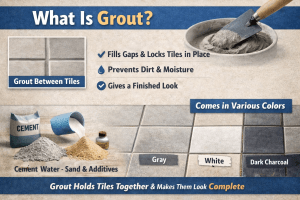
Grout also enhances the overall design of your tiles, with various colors and textures available to complement your space. Whether in a bathroom, kitchen, or outdoor area, grout is an indispensable part of any tiling project.
Factors Affecting Grout Drying Time
While most grout manufacturers provide general drying guidelines, several factors can influence the exact time required:
- Type of Grout: Cement-based, epoxy, or urethane grouts have unique drying requirements.
- Application Thickness: Thicker grout layers naturally take longer to set and dry.
- Environmental Conditions: Humidity, temperature, and airflow can significantly impact drying.
- Surface Material: Porous tiles may absorb moisture, affecting how the grout cures.
- Mixing Accuracy: Adding too much or too little water during mixing can alter drying times.
Understanding these factors ensures you approach each tiling project with the right expectations and methods.
Types of Grout and Their Drying Times
Cement-Based Grout
Cement-based grout is a popular choice due to its affordability and versatility. It typically takes 24–48 hours to dry but may require sealing for enhanced durability. This type is commonly used in residential and light commercial applications.
Epoxy Grout
Epoxy grout is prized for its durability, stain resistance, and rapid setting time. It generally dries within 24 hours and doesn’t require sealing. Its fast curing makes it ideal for high-traffic areas like kitchens and commercial spaces.
Urethane Grout
Urethane grout offers exceptional flexibility and resistance to cracking. However, it can take up to 7 days to fully cure, making it better suited for projects where time is not a constraint.
How Long for Grout to Dry?
General Drying Times
Most grouts need 24 to 72 hours to dry, depending on the type and environmental factors. Cement-based grouts lean toward the longer end of this spectrum, while epoxy dries much faster.
Importance of Manufacturer Recommendations
Every grout product is different. Always follow the manufacturer’s instructions for drying times and curing processes. These guidelines are designed to optimize performance and longevity.
How Long to Let Grout Dry Before Wiping?
The Golden Window
The ideal time to wait before wiping grout is 15–30 minutes after application. This allows the grout to begin setting, ensuring it stays in place while excess is removed.
Consequences of Poor Timing
- Wiping Too Early: Dislodges grout from joints, leading to uneven or incomplete coverage.
- Wiping Too Late: Allows the grout to harden, making it challenging to clean and potentially leaving a residue or haze on tiles.
How Long Let Grout Dry Before Sponging?
Timing Is Everything
Sponging is a critical step that smooths out grout lines and removes excess material. You should begin sponging 15–30 minutes after grout application to strike a balance between softness and firmness.
Step-by-Step Guide to Sponging
- Prepare a Bucket of Clean Water: Ensure the water is lukewarm for optimal cleaning.
- Use a Damp Sponge: Avoid soaking the sponge, as excess water can weaken the grout.
- Wipe Diagonally: Move the sponge in a diagonal motion across the tiles to prevent pulling grout out of the joints.
- Rinse Frequently: Regularly rinse the sponge in clean water to avoid reapplying grout residue.
- Repeat as Needed: Continue until the tiles are clean, but avoid excessive wiping.
What Happens If You Wipe Too Early or Too Late?
Wiping Too Early
If grout is wiped too soon, the joints may not set correctly. This can result in:
- Uneven grout lines
- Weak bonding, requiring reapplication
- Excess grout being removed unnecessarily
Wiping Too Late
Delaying wiping allows excess grout to harden, making it difficult to remove without specialized tools or chemicals. This can lead to:
- A visible grout haze on tiles
- Scratches or damage to tile surfaces during cleanup
- Additional time and effort spent on corrections
Best Practices for Ensuring Proper Grout Drying
1. Maintain Ideal Environmental Conditions
Keep the room well-ventilated to promote air circulation and reduce humidity levels.
Use fans or dehumidifiers in humid environments to speed up the drying process.
Avoid exposing the grout to direct sunlight or extreme heat, which can cause uneven drying.
2. Use High-Quality Grout
Invest in premium grout products, such as epoxy grout or Furan grout, for faster drying times and improved durability. Check product specifications to ensure compatibility with your project.
3. Follow Proper Mixing Ratios
Adhere to the manufacturer’s guidelines for mixing water and grout to achieve the right consistency. Improper mixing can lead to weaker grout and extended drying times.
4. Avoid Premature Cleaning
Cleaning tiles too soon after grouting can disrupt the setting process. Wait at least 24 hours before wiping off excess grout residue with a damp sponge.
5. Allow Ample Curing Time
Even if the grout appears dry on the surface, it may still be curing beneath. Allow the recommended drying period to pass before exposing the grout to moisture, heavy foot traffic, or cleaning agents.
Tools You’ll Need for Grout Wiping
Essential Tools
- Sponges: Opt for a high-quality, soft sponge to prevent scratches.
- Buckets: Have multiple buckets of clean water on hand for rinsing.
- Microfiber Cloths: Ideal for removing grout haze after initial sponging.
- Grout Float: Used to apply grout evenly between tiles.
Common Mistakes to Avoid
Overwatering Grout
Adding too much water during mixing or wiping can weaken the grout, causing cracks and reduced longevity.
Skipping Drying Time
Impatience can lead to poor results. Always allow adequate time for grout to set before wiping or applying sealants.
Using Dirty Tools
Dirty sponges or buckets can reapply grout residue, making the cleaning process more challenging.
Post-Drying Tips
Remove Grout Haze
After grout dries, a slight haze may remain on tiles. Use a grout haze remover or a microfiber cloth to gently buff the surface.
Seal the Grout
Sealing grout adds a protective layer against moisture, stains, and dirt. Wait at least 72 hours after application before sealing.
How Long Does Grout Take to Dry Before Cleaning?
Grout should dry for at least 72 hours before performing a deep clean. Cleaning too soon can interfere with the curing process, reducing the grout’s effectiveness.
Maintenance Tips for Grout Longevity
Regular Cleaning
- Use a mild, pH-balanced cleaner to avoid damaging grout.
- Clean up spills immediately to prevent stains.
Avoid Abrasive Tools
Steer clear of harsh brushes or scrubbers that can wear down grout over time.
Re-Seal Periodically
Reapply a grout sealer every 1–2 years to maintain its protective properties and extend its lifespan.
Conclusion
When it comes to grouting, timing really matters. If you understand how grout dries and follow a few simple tips, you can get a clean, smooth finish that lasts for years. No matter which type of grout you’re using—cement, epoxy, or urethane—taking your time and doing it the right way will help you avoid problems later. It saves you from extra work, repairs, and a lot of frustration down the line.
Frequently Asked Questions (FAQs)
Q1. How long should grout dry before sponging?
Grout should dry for 15–30 minutes before sponging. This timing allows the grout to set slightly without fully hardening.
Q2. Can you wipe off grout the next day?
Yes, but hardened grout residue may require a grout haze remover or intensive scrubbing for effective cleaning.
Q3. What happens if you let grout dry too long?
If grout dries too long, excess material hardens on the tiles, making it difficult to clean without specialized tools.
Q4. How long does grout take to dry before cleaning?
Wait at least 72 hours before performing a thorough cleaning to ensure the grout is fully cured.