

Introduction
Indoor grout is often the unsung hero of your tiled surfaces, playing a critical role in both the structural integrity and aesthetic appeal of your floors, walls, and backsplashes. Over time, this grout accumulates dirt, mold, mildew, and stains, which can diminish the overall look and hygiene of your living space.
Many homeowners ask: Can you pressure wash indoor grout? While pressure washing might appear to be a quick fix to restore the pristine appearance of your tiles, it’s not always the best solution. In this article, we’ll delve into the pros and cons of using a pressure washer on your indoor grout, ensuring you make an informed decision that maintains the integrity of your home.
Understanding Indoor Grout
Grout is the filler material found between tiles that not only holds them in place but also prevents water and debris from penetrating the substrate. Here are some key points to consider about indoor grout:
-
Composition: Grout is typically made from a mixture of cement, water, and sometimes colorants. Its porous nature means that it easily absorbs liquids and stains.
-
Aesthetic Role: Clean grout lines can transform the appearance of a tiled area, making spaces look fresh and well-maintained.
-
Maintenance: Regular cleaning is necessary. However, the method you choose can significantly affect the durability and longevity of the grout.
Understanding the composition and vulnerabilities of indoor grout is essential before deciding whether to use a high-pressure cleaning method.
The Concept of Pressure Washing Indoor Grout

Pressure washing involves using a high-pressure water spray to remove dirt, grime, and other contaminants. When it comes to pressure wash indoor grout, the idea is to harness the power of water to clean stubborn stains and deeply embedded dirt. However, indoor environments present unique challenges compared to outdoor applications.
Key Considerations:
-
Grout and Caulk Integrity: It is imperative to ensure that your grout and caulk seams are fully intact and free of gaps or loose areas. Compromised grout can easily be eroded or damaged by high-pressure water.
-
Pressure Washer Settings: For indoor use, especially on delicate surfaces, a lower pressure setting is advisable. Typically, using a pressure washer set between 1000-1200 PSI with a wider nozzle (around 2 inches) helps minimize the risk of damage.
-
Professional Expertise: If you’re inexperienced with pressure washers, hiring a professional might be the safest option. The risks involved with improper use can lead to costly repairs.
-
Potential for Water Damage: Pressure washing indoors increases the risk of water seeping into areas where it can cause mold, mildew, or structural damage.
While pressure washing can be effective, understanding these factors is essential to ensure that you do not inadvertently harm your grout or the surrounding tile.
Pros of Pressure Washing Indoor Grout
There are several benefits to using a pressure washer for cleaning indoor grout when done correctly. Let’s explore some of the key advantages:
1. Effective Deep Cleaning
Pressure washing can remove deeply embedded dirt, stains, and grime that traditional cleaning methods might miss. For those tough spots that have built up over time, the force of the water can dislodge contaminants effectively.
2. Time Efficiency
Compared to scrubbing with a brush or using multiple cleaning agents, pressure washing can be a quicker solution. This makes it an attractive option for busy homeowners looking to achieve a deep clean in less time.
3. Chemical-Free Cleaning
In many cases, pressure washing can reduce or even eliminate the need for harsh chemical cleaners. This is particularly beneficial for those concerned about the environmental impact or the potential for chemical residue on surfaces.
4. Improved Aesthetics
When done right, pressure washing can rejuvenate the look of your tiled areas, making them appear brighter and more inviting. The restoration of clean grout lines can significantly enhance the overall aesthetic appeal of your home.
5. Versatility
Pressure washers are versatile tools that can be used for multiple cleaning applications. While the focus here is on pressure wash indoor grout, the same tool can be applied to other indoor surfaces, offering a multi-purpose cleaning solution.
Cons of Pressure Washing Indoor Grout

While there are clear benefits, it’s important to balance these against the potential downsides. The cons of pressure washing indoor grout include:
1. Risk of Damaging Grout and Tiles
High-pressure water can erode or displace grout, especially if the grout or caulk seams are not intact. This can lead to uneven surfaces, discoloration, and the need for costly repairs or re-grouting.
2. Water Damage
Indoor environments are not designed to handle the volume of water produced by a pressure washer. Excess water can seep into crevices and behind tiles, causing damage to subfloors, walls, and even electrical systems if not properly managed.
3. Mold and Mildew Growth
The introduction of large quantities of water indoors can lead to conditions favorable for mold and mildew growth. In areas with high humidity, the residual moisture can become a breeding ground for these harmful organisms.
4. Safety Hazards
Using a pressure washer indoors carries safety risks. The powerful stream of water can cause physical injury if not handled properly. Additionally, the use of gas-powered pressure washers indoors can introduce a risk of carbon monoxide poisoning, making proper ventilation a necessity.
5. Skill and Experience Required
Achieving a clean result without causing damage requires a good deal of skill and familiarity with the equipment. For those without experience, the risk of damage increases significantly, and mistakes can be costly.
6. Not Suitable for All Grout Conditions
If your grout is already loose, cracked, or otherwise damaged, pressure washing may worsen the condition. It’s critical to assess the state of your grout before opting for this cleaning method.
Professional Personal Experience and Tips
Having worked in home renovation and maintenance for over a decade, I’ve encountered countless situations where homeowners wanted to restore the shine of their tiled surfaces. Here’s my personal insight into the process of using a pressure washer for indoor grout:
My Experience
I once assisted a client who had a beautiful but weathered kitchen with aged tile and grout. They were desperate to remove stubborn stains that had accumulated over the years. After assessing the condition of the grout and ensuring that all caulk seams were intact, we decided to try a low-pressure wash. Using a 2-inch nozzle and setting the pressure between 1000-1200 PSI, we achieved a significant improvement in cleanliness without damaging the grout. However, I was very cautious about the water volume and immediately used drying techniques to minimize any risk of water seepage.
Key Tips:
-
Test a Small Area First: Always test the pressure washer on a small, inconspicuous area to observe any potential damage.
-
Use Lower Pressure Settings: Remember, the goal is to clean without causing erosion or displacement of grout.
-
Dry Thoroughly: Immediately after washing, ensure that the area is dried quickly to prevent water from seeping into unwanted areas.
-
Avoid Gas-Powered Models Indoors: Whenever possible, opt for electric pressure washers to avoid the carbon monoxide hazards associated with gas models.
-
Have a Backup Plan: Always be prepared with an alternative cleaning method, such as a gentle scrub with a homemade cleaning paste, if the pressure wash appears too aggressive.
Practical Insights:
From my professional experience, I’ve learned that while pressure wash indoor grout can be an effective method, it’s not a one-size-fits-all solution. Each home is unique, and factors such as the age of the grout, the type of tiles, and the overall condition of the area must be considered. It’s always best to err on the side of caution and, if in doubt, consult a professional.
Alternatives to Pressure Washing
If you’re hesitant about using a pressure washer, there are several alternative methods to clean your indoor grout effectively:
1. Steam Cleaning
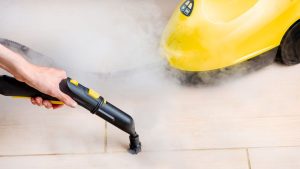
Steam cleaning is an excellent alternative that uses high-temperature steam to lift grime and disinfect the grout. It’s gentler on the tiles and less likely to cause water damage. Steam cleaners can be particularly effective at removing mold and mildew without the risk of physical erosion.
2. Commercial Grout and Tile Cleaners
There are many commercially available cleaning products specifically designed for grout and tiles. These cleaners are formulated to break down dirt and stains, and they often require only minimal scrubbing.
3. DIY Cleaning Solutions
For those who prefer a more hands-on approach, DIY solutions can be both cost-effective and environmentally friendly. One popular recipe is a paste made from:
-
Baking soda
-
A few drops of mild dish soap
Apply this paste to the grout lines, let it sit for 10-15 minutes, and then scrub with a soft brush. Rinse thoroughly with water. This method is particularly useful for older or more delicate grout where aggressive methods might do more harm than good.
4. Manual Scrubbing
Sometimes, the traditional method of manual scrubbing with a grout brush and cleaning solution is the safest bet. This approach, while labor-intensive, gives you complete control over the cleaning process, reducing the risk of damage.
5. Microfiber Mops and Cloths
For regular maintenance, using microfiber mops and cloths can help keep your grout looking clean between deep cleans. These tools are effective at picking up dust and minor stains without harsh chemicals or high-pressure water.
Safety Precautions When Pressure Washing Indoors
Safety should always be a priority when considering any form of cleaning, especially with powerful tools like pressure washers. Here are some safety precautions to keep in mind:
1. Ventilation
Ensure that the area is well-ventilated. This is particularly important if you are using an electric pressure washer indoors, as the humidity and potential for water vapor build-up can create slippery conditions.
2. Personal Protective Equipment (PPE)
Wear appropriate PPE, including safety goggles, gloves, and non-slip footwear. This will protect you from any accidental splashes or debris that may be dislodged during the cleaning process.
3. Carbon Monoxide Risk
If you must use a gas-powered pressure washer indoors, be acutely aware of the risks associated with carbon monoxide. It is highly recommended to use an electric model in enclosed spaces to avoid any hazardous fumes.
4. Electrical Safety
Be mindful of any electrical outlets, wiring, or appliances in the vicinity. Water and electricity do not mix, so it’s critical to ensure that the cleaning area is as dry as possible and that all electrical sources are either covered or moved away from the immediate cleaning zone.
5. Proper Equipment Maintenance
Regularly inspect and maintain your pressure washer. Faulty equipment can increase the risk of accidents and potentially cause uneven cleaning, which might damage your grout.
When to Avoid Pressure Washing
There are certain situations where pressure washing indoor grout is not advisable. Consider the following scenarios:
1. Loose or Damaged Grout
If your grout is already loose, cracked, or damaged, pressure washing can exacerbate the problem. In these cases, it’s best to repair or replace the grout before attempting any high-pressure cleaning.
2. Delicate or Older Tiles
Older tiles or those with a delicate finish may not withstand the force of a pressure washer. For these surfaces, gentler cleaning methods are recommended to preserve their integrity.
3. High Humidity Areas
Bathrooms, kitchens, and other high-humidity areas are particularly susceptible to mold and mildew growth. The use of a pressure washer in these areas can force excess moisture into seams and crevices, leading to further issues down the line.
4. Inexperienced Users
If you lack experience with pressure washers, it is safer to either practice on a small area or consult a professional. The risk of causing unintended damage is significantly higher without proper training and understanding of the equipment.
Conclusion
So, can you pressure wash indoor grout? The answer is yes, but with significant caveats. Using a pressure washer to clean indoor grout can be an effective method for deep cleaning and revitalizing your tiled surfaces. However, it requires careful consideration of the grout and caulk integrity, appropriate equipment settings, and a strong emphasis on safety precautions.
In my professional experience, I have seen both successful and problematic outcomes with pressure washing. The key is to understand your specific situation—assessing the condition of your grout, the type of tiles, and the environmental factors in your home. For many, alternative methods like steam cleaning or DIY solutions provide a safer and equally effective way to maintain indoor grout.
By following the guidelines and safety precautions detailed in this article, you can make an informed choice that best suits your home’s needs while preserving the longevity of your grout and tiles.
Frequently Asked Questions (FAQs)
Q1: Is it safe to use a pressure washer on all types of indoor grout?
Not necessarily. It is safe only if your grout is in good condition with intact caulk seams and if you use the appropriate pressure settings. Always test a small area first.
Q2: What pressure setting is recommended for indoor grout cleaning?
A pressure setting around 1000-1200 PSI with a 2-inch nozzle is generally recommended to minimize the risk of damage.
Q3: Can pressure washing cause water damage indoors?
Yes, if not done properly. Excessive water can seep into crevices and behind tiles, potentially causing mold, mildew, or structural damage.
Q4: What are the best alternatives to pressure washing for cleaning grout?
Alternatives include steam cleaning, using commercial grout cleaners, DIY cleaning solutions, or manual scrubbing with a grout brush.
Q5: Should I hire a professional for pressure washing indoor grout?
If you are inexperienced or your grout is in delicate condition, it is advisable to consult or hire a professional to avoid damage.
By understanding the benefits, risks, and alternatives, you’re better prepared to decide whether to pressure wash indoor grout in your home. Whether you choose this method or opt for gentler alternatives, maintaining your grout’s cleanliness is essential for both aesthetic appeal and the longevity of your tiled surfaces. With careful planning and proper technique, you can keep your indoor spaces looking fresh and inviting without compromising on safety or structural integrity.