
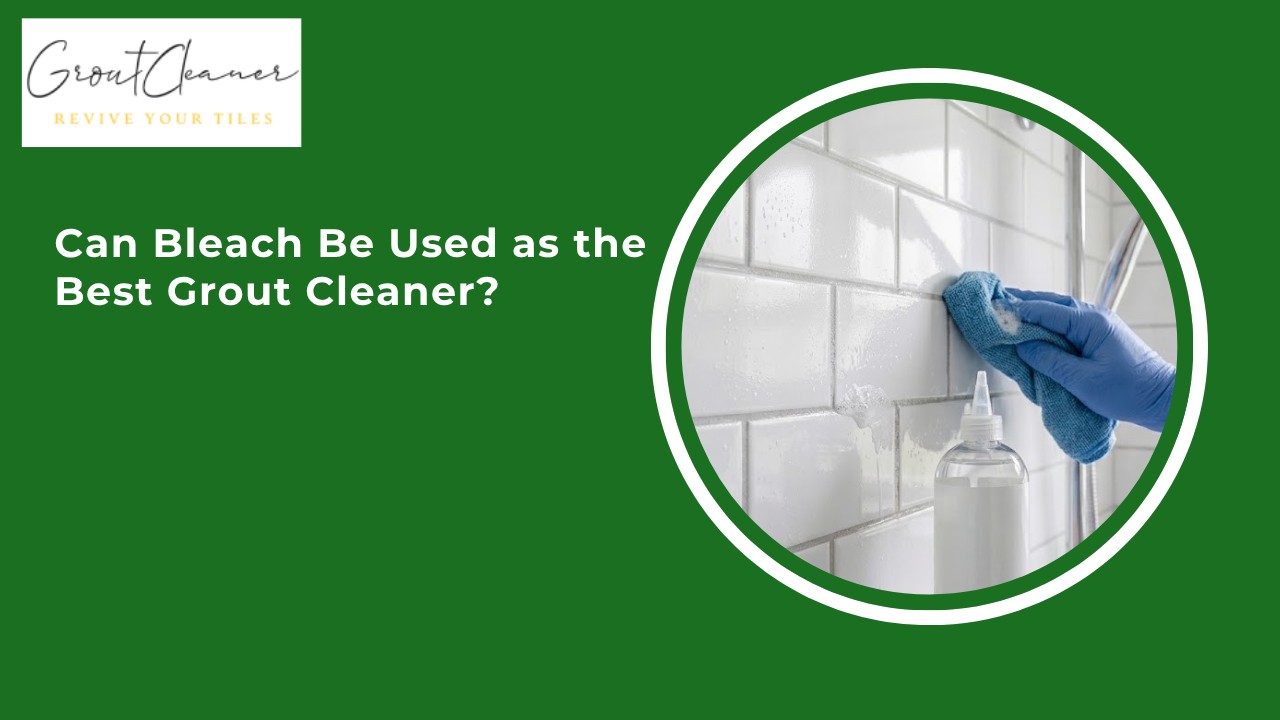
Grout is really important for keeping tiles in their place. It is also one of the toughest parts of a home to keep clean. The thing about grout is that over time it soaks up dirt and moisture and soap residue and bacteria which causes it to get discolored and have stains. When people who own homes want to find a solution to this problem they often think of using bleach. Bleach is a cleaner and it does not cost a lot of money and a lot of people think it is good for deep cleaning grout.
But the real question is: can bleach be used as the best grout cleaner, or is it just a temporary fix? To answer that, it’s important to understand how grout works, how bleach affects it, and whether better alternatives exist for long-term grout cleaning.
Understanding Why Grout Gets So Dirty
 Grout is really porous. This means it is not, like tile, which has a surface that is sealed. Grout absorbs water and all sorts of things very easily.In the bathroom grout collects mold and mildew.In the kitchen, grout traps. Leftover food bits.Even the floors that get walked on a lot will start to look darker over time because of all the dirt that builds up in the grout.
This porosity is what makes grout cleaning so challenging—and why harsh cleaners like bleach appear effective at first glance.
How Bleach Works During Grout Cleaning
Bleach is really good at killing germs. It gets rid of mold, mildew and bacteria. That is why people often use bleach in the bathroom.When you put bleach on light colored grout the grout looks a lot cleaner in just a few minutes. Bleach can make the grout look really bright and clean.
However, bleach primarily works on surface stains. It doesn’t penetrate deeply into the grout pores where dirt and grime are often embedded. This means the grout may look clean initially, but discoloration often returns quickly.
.Pros of Using Bleach on Grout
Bleach does have some benefits, especially when used correctly and sparingly:
Kills mold and mildew effectively
Whitens white or light-colored grout
Inexpensive and widely available
Fast visible results
For occasional tile and grout cleaning especially in damp areas like showers bleach can be helpful.
Why Bleach Is Not Always the Best Grout Cleaner
Despite its popularity, bleach has several serious downsides that prevent it from being the best grout cleaner for routine use.
1. It Can Damage Grout Over Time
Bleach breaks down the binding materials in the grout. Repeated use weakens the structure, making grout crumbly and more porous, which leads to faster re-soiling.
2. It Doesn’t Clean Deeply
Because bleach doesn’t penetrate grout pores, it often masks stains rather than removing them. Dirt trapped below the surface remains untouched.
3. Discoloration Risk
Bleach can permanently fade or discolor colored grout, leaving uneven or blotchy lines.
4. Safety Concerns
Bleach produces strong fumes and must never be mixed with other cleaners. Improper use can cause respiratory irritation and health risks.
5. Not Safe for Natural Stone
During tile and grout cleaning, bleach can damage surrounding natural stone tiles like marble, limestone, or travertine.
These drawbacks make bleach more of a short-term solution than a true long-term grout cleaner.
When Bleach Can Be Used Safely
Bleach is not entirely off-limits. It can be useful under specific conditions:
The grout is white or very light
The problem is mold or mildew, not grease or soil
The tile is ceramic or porcelain, not natural stone
Bleach is used occasionally, not weekly
The area is well ventilated
In these situations, bleach can be part of a broader grout cleaning strategy—but it should never be the only method used.
Better Alternatives for Tile and Grout Cleaning
If your goal is long-lasting results, bleach alone is rarely enough. Here are safer and more effective options often considered the best grout cleaner choices:
Oxygen-Based Cleaners
These cleaners penetrate grout pores and lift stains without damaging grout. They are ideal for routine tile and grout cleaning.
Hydrogen Peroxide
Effective for whitening grout and removing stains without the harsh effects of bleach.
Baking Soda Paste
A gentle abrasive that helps scrub away grime when combined with warm water or peroxide.
pH-Neutral Commercial Grout Cleaners
Specifically formulated to clean grout deeply without weakening it.
Steam Cleaning
Uses heat and pressure to remove dirt and bacteria without chemicals.
These methods clean both the surface and the interior of grout, making them better long-term solutions.
Preventing Grout from Getting Dirty Again
The best grout cleaner won’t help much if grout isn’t maintained properly. Prevention is just as important as cleaning.
Seal grout after deep cleaning to reduce porosity
Wipe tiles dry after showers
Clean spills quickly in kitchens
Use gentle cleaners regularly
Avoid harsh chemicals for routine cleaning
Sealed and well-maintained grout stays cleaner longer and requires less aggressive grout cleaning.
Frequently Asked Questions (FAQ)
Can bleach be used as the best grout cleaner?
Bleach can help with mold and whitening, but it’s not ideal for long-term grout cleaning.
Does bleach clean grout or just whiten it?
Mostly whitens. It doesn’t remove deeply embedded dirt.
How often should bleach be used on grout?
Only occasionally. Frequent use can damage grout.
Is bleach safe for tile and grout cleaning?
It’s safe for ceramic and porcelain tiles but not for natural stone.
What is the best grout cleaner for everyday use?
Oxygen-based or pH-neutral grout cleaners are best for regular maintenance.
Final Thoughts
So, can bleach be used as the best grout cleaner? Bleach can be helpful for removing surface mold and brightening white grout, especially in bathrooms. However, it’s not a complete or long-term solution. Over time, bleach can weaken grout, fail to remove deep-set dirt, and create safety concerns if misused. For lasting results, effective grout cleaning depends on safer cleaning products, the right tools, and regular preventative care to keep tile and grout looking clean and durable.