

Tile grout cleaning is essential for keeping your floors, walls, and surfaces looking spotless. Over time, grout absorbs dirt, moisture, and bacteria, making it a breeding ground for mold and discoloration. Whether you have sealed or unsealed grout, knowing how to clean tile grout properly can extend the life of your tiles and keep your home looking fresh.
In this comprehensive guide, we’ll go over the best practices for grout cleaning, common mistakes to avoid, and the best products and methods to ensure your grout stays clean and damage-free.
Why Tile Grout Cleaning Matters
Grout is a porous material that absorbs dirt and moisture. Without proper maintenance, grout can become a breeding ground for mold, mildew, and bacteria. Dirty grout not only looks bad but can also lead to structural damage over time. Stains, cracks, and crumbling grout can weaken tile bonds, leading to costly repairs.
Regular cleaning ensures that grout remains in top condition, preventing long-term issues and improving the overall appearance of your tiled surfaces. Additionally, clean grout enhances indoor air quality by reducing allergens and bacteria that accumulate in dirty grout lines.
Health Benefits of Clean Grout
Mold and mildew in grout lines can trigger allergic reactions, respiratory issues, and skin irritation. By keeping your grout clean, you help eliminate these potential health hazards. This is especially crucial in homes with young children, elderly individuals, or anyone with asthma or respiratory conditions.
Do’s of Tile Grout Cleaning
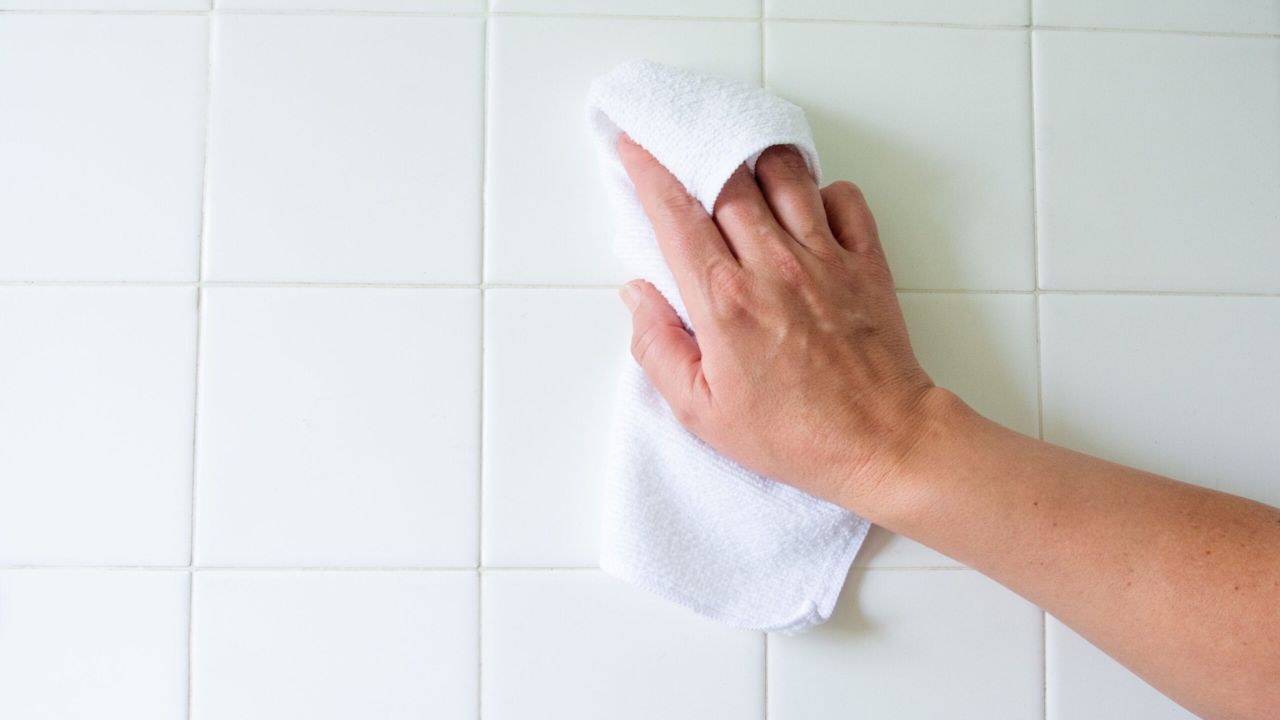
1. Use the Right Cleaning Solution
For daily cleaning, a mixture of baking soda and vinegar works well to break down dirt and stains naturally. If your grout is heavily soiled, opt for a pH-neutral grout cleaner designed to remove grime without damaging the surface.
For how to clean unsealed grout, avoid acidic cleaners, as they can wear down the porous surface faster. Instead, use oxygen bleach or hydrogen peroxide for deeper cleaning. Hydrogen peroxide is an excellent option for brightening grout lines without using harsh chemicals.
2. Scrub with a Soft-Bristle Brush
A soft-bristle brush or toothbrush is ideal for scrubbing grout lines without damaging them. Scrub in a circular motion to lift dirt while preserving the grout’s integrity. Avoid using steel wool or hard-bristle brushes, as they can erode the grout.
3. Rinse and Dry Thoroughly
After scrubbing, rinse the grout with warm water and a damp mop or cloth. Leaving cleaning residue behind can attract more dirt over time. Dry the area completely to prevent moisture buildup, which can lead to mold growth.
4. Apply a Grout Sealer
If your grout is unsealed, applying a grout sealer will protect it from stains, moisture, and dirt. This is particularly important in high-moisture areas like bathrooms and kitchens. Reapply grout sealer every 6–12 months for best results.
5. Maintain a Regular Cleaning Schedule
Don’t wait for your grout to turn dark and grimy before cleaning it. Light maintenance every week will keep grout looking fresh. Wipe down tile surfaces and grout lines with mild soap and water regularly to prevent buildup.
6. Consider Steam Cleaning
A steam cleaner is an excellent tool for deep-cleaning grout. Steam penetrates the pores of the grout and lifts dirt without the need for harsh chemicals. This method is safe for both sealed and unsealed grout and is highly effective in removing tough stains.
Don’ts of Tile Grout Cleaning
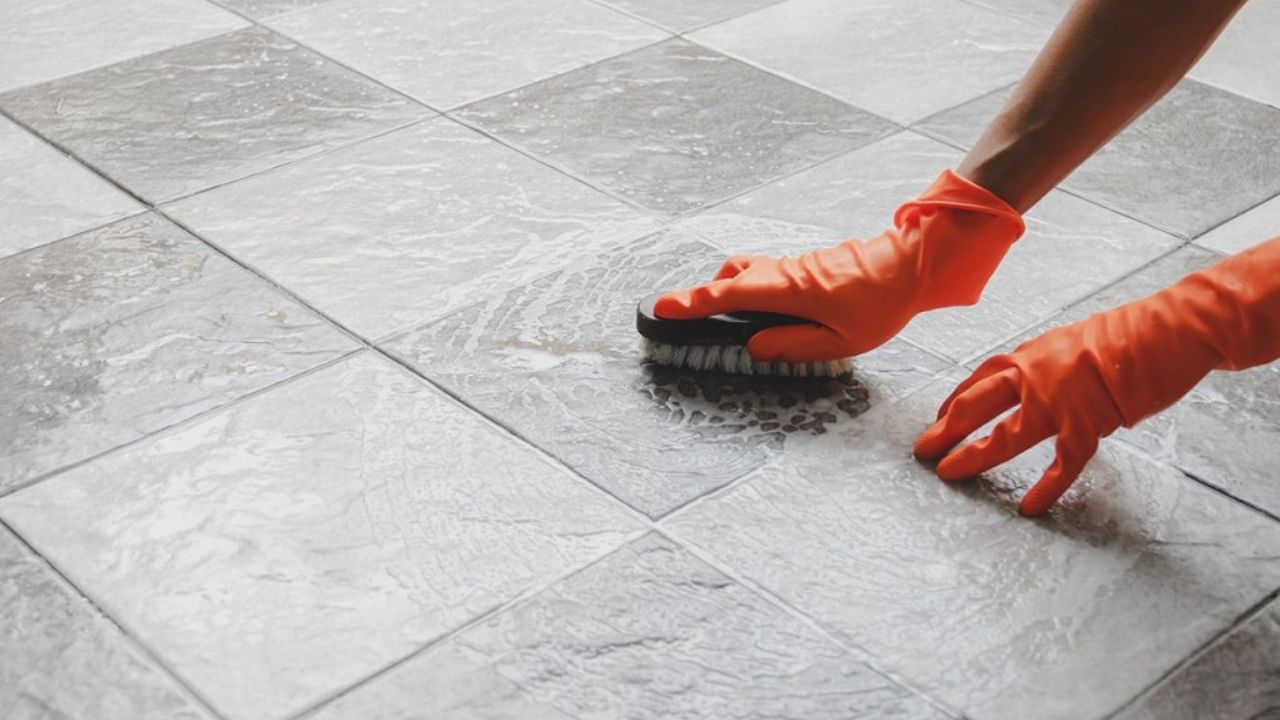
1. Don’t Use Harsh Chemicals on Unsealed Grout
Bleach and ammonia may seem like effective cleaning agents, but they can weaken grout over time, making it brittle and prone to cracks. These chemicals can also cause discoloration, especially on white or light-colored grout.
2. Don’t Let Cleaners Sit Too Long
Leaving grout cleaner on for too long can damage the grout’s surface and cause discoloration. Always follow the recommended time on product labels and rinse thoroughly after cleaning.
3. Don’t Use Excessive Water
Too much water can seep into grout’s porous structure, leading to mold, mildew, and even grout deterioration. Always wring out your mop or cleaning cloth to avoid excess moisture buildup.
4. Don’t Use Abrasive Scrubbers
Steel wool, rough brushes, and sandpaper can wear away grout, causing cracks and making it more susceptible to dirt and stains. Stick to soft-bristle brushes and microfiber cloths for best results.
5. Don’t Ignore Mold and Mildew
Mold spreads quickly, so if you see dark spots forming, clean them immediately with a vinegar solution or a commercial mold remover. Regular ventilation in bathrooms and kitchens can help prevent mold growth in grout lines.
6. Don’t Skip Sealing
Unsealed grout is prone to absorbing dirt and moisture, leading to staining and deterioration. Always seal your grout to provide a protective barrier against spills and stains.
Conclusion
By following these do’s and don’ts of tile grout cleaning, you can keep your grout looking pristine and extend the life of your tiled surfaces. Regular maintenance, proper cleaning solutions, and preventive measures will help you avoid costly repairs while keeping your home looking spotless.
Frequently Asked Questions (FAQs)
Q1. How do you clean tile grout safely?
To clean grout safely, use a mild cleaning solution like baking soda and vinegar or a pH-neutral grout cleaner. Avoid harsh chemicals and always rinse the area thoroughly after scrubbing.
Q2. What not to do when grouting?
When applying grout, don’t use too much water, don’t rush the drying process, and avoid using dirty tools. Excess water can weaken grout, and improper application can lead to cracks and gaps.
Q3. What happens if you leave grout cleaner on too long?
If grout cleaner sits too long, it can erode the grout and cause discoloration. Always follow product instructions and rinse off cleaner within the recommended time.
Q4. What are the side effects of grout cleaner?
Some grout cleaners contain harsh chemicals that can cause skin irritation, respiratory issues, or damage to the grout itself. Always wear gloves and ensure proper ventilation when using chemical cleaners.