

Outdoor spaces deserve the same level of quality and durability as indoor areas. In this comprehensive guide, we delve into everything you need to know about outdoor grout—from understanding its importance and benefits to exploring the various types available on the market. Whether you are renovating your patio, deck, or walkway, choosing the right exterior grout is crucial for both longevity and aesthetic appeal. We also discuss outdoor tile grout, epoxy grout for exterior use, and outdoor grout for stone to help you make an informed decision that suits your specific project needs.
Introduction to Outdoor Grout
When designing an outdoor area, the materials you choose play a pivotal role in the overall success of the project. Outdoor grout is not simply a filler; it is a binding agent that not only holds tiles together but also contributes significantly to the structural integrity and visual impact of your outdoor surfaces. Its unique composition is formulated to withstand the challenges posed by weather fluctuations, heavy foot traffic, and environmental pollutants.
Understanding the Role of Outdoor Grout
Outdoor grout acts as the final touch in a tiling project. It fills the gaps between tiles, ensuring they are securely set and preventing water from seeping into sub-layers. This not only reinforces the durability of your outdoor surfaces but also reduces the risk of mold and mildew buildup—a common concern in exterior installations. With the right outdoor tile grout, you can achieve a seamless look that enhances the overall design while providing long-lasting performance.
Benefits of Using Outdoor Grout

Choosing the appropriate grout for exterior applications offers multiple benefits that extend beyond mere aesthetics. Below are some key advantages of using specialized outdoor grout:
Enhanced Durability and Longevity
Outdoor environments are subject to extreme weather conditions including UV exposure, rain, and temperature fluctuations. Outdoor grout is designed to resist cracking, fading, and deterioration. Whether you choose a traditional formulation or opt for epoxy grout for exterior use, the right product will significantly extend the lifespan of your tiled surfaces.
Aesthetic Appeal
The visual aspect of outdoor spaces is just as important as functionality. High-quality exterior grout not only binds tiles effectively but also enhances their appearance. It can be tinted to match or contrast with your tiles, adding a decorative element to your design while highlighting the intricate details of your stone or ceramic tiles.
Maintenance Advantages
With proper installation and routine maintenance, outdoor grout can remain pristine for years. It creates a barrier against moisture and contaminants, simplifying cleaning routines and reducing the need for frequent repairs. This is particularly beneficial when working with outdoor grout for stone, where maintaining the natural beauty of the material is essential.
Exploring Types of Outdoor Grout
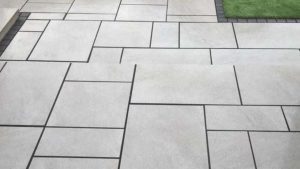
There are several types of grout available for outdoor applications. Each type is tailored to meet specific demands and performance criteria. Understanding the differences can help you select the most suitable option for your project.
Exterior Grout vs. Indoor Grout
The key difference between exterior grout and indoor grout lies in their formulation. Outdoor grout is engineered to endure harsh environmental conditions. It typically contains additives that improve water resistance, UV stability, and freeze-thaw durability. In contrast, indoor grout may not have these properties, making it less effective in outdoor applications.
Outdoor Tile Grout
Specifically formulated for tiled surfaces, outdoor tile grout is designed to adhere to various tile materials including porcelain, ceramic, and natural stone. Its composition allows for excellent bonding while providing flexibility to accommodate slight movements in the substrate caused by temperature changes.
Epoxy Grout for Exterior Use
For projects that demand superior strength and chemical resistance, epoxy grout for exterior use is an ideal choice. Its unique formulation not only provides exceptional durability but also resists staining and harsh chemicals. Although more expensive than cement-based grouts, epoxy grout’s longevity and low maintenance requirements make it a cost-effective option over time.
Outdoor Grout for Stone
Natural stone surfaces require a grout that complements their inherent beauty and strength. Outdoor grout for stone is specially formulated to work with porous and non-porous stones, ensuring that the grout does not detract from the stone’s texture while providing the necessary structural support.
Selecting the Right Outdoor Grout for Your Project
Choosing the ideal grout involves a careful evaluation of several factors. Our recommendations are based on extensive experience and thorough market research.
Project Scope and Environmental Considerations
- Climate: Assess the typical weather conditions in your area. Regions with severe winters or intense sunlight may benefit from grouts with enhanced freeze-thaw resistance and UV stability.
- Usage: Consider the level of foot traffic and exposure. High-traffic areas such as patios or pool decks require a grout that can endure constant wear and tear.
Compatibility with Surface Materials
Different surface materials interact uniquely with grout. For example, if you are installing tiles on a natural stone surface, opt for outdoor grout for stone to ensure that the grout complements the stone’s texture and color. For ceramic or porcelain tiles, outdoor tile grout with the right bonding agents will ensure optimal adhesion and durability.
Aesthetic and Functional Priorities
- Color Matching: The right grout color should harmonize with your tiles. Many products allow tinting, so you can achieve a seamless integration or a striking contrast.
- Ease of Maintenance: Consider products that offer long-term protection against stains and moisture accumulation. Epoxy-based grouts are particularly renowned for their resistance to grime and chemicals.
Preparation and Installation of Outdoor Grout
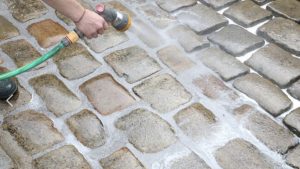
A successful installation begins with meticulous preparation. We follow industry best practices to ensure that your outdoor grout delivers exceptional performance.
Surface Preparation
Proper surface preparation is critical. This involves:
- Cleaning: Ensure that all surfaces are free of dust, dirt, and previous residues.
- Leveling: Verify that the substrate is level and free of cracks to prevent future grout failures.
- Moisture Control: Allow any freshly laid surfaces to cure completely before applying grout, as residual moisture can compromise adhesion.
Grout Application Techniques
- Mixing: Follow manufacturer instructions precisely when mixing the grout to achieve the right consistency.
- Application: Use a rubber float to apply the grout evenly, pressing it firmly into the joints. Work in small sections to prevent the grout from drying out prematurely.
- Finishing: Once the grout is applied, use a damp sponge to remove excess material from the tile surfaces, taking care not to disturb the grout lines.
Curing and Sealing
Allow the grout to cure as recommended by the manufacturer. In many cases, sealing the grout after curing adds an extra layer of protection against moisture and staining—an important step for epoxy grout for exterior use and other formulations.
Maintenance and Cleaning of Outdoor Grout
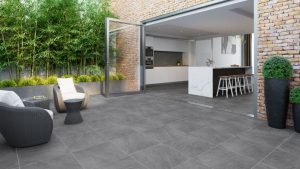
Routine maintenance is essential to preserve the beauty and functionality of your outdoor surfaces. We recommend regular cleaning practices and preventive measures to extend the life of your grout.
Regular Cleaning Tips
- Gentle Cleaning Agents: Use mild cleaning solutions that do not degrade the grout. Avoid harsh chemicals that can cause discoloration or weakening.
- Pressure Washing: For larger areas, a low-pressure wash can remove accumulated dirt without damaging the grout joints.
- Sealing: Periodically resealing your grout can protect against moisture ingress and staining, especially in areas with heavy exposure to the elements.
Dealing with Stains and Discoloration
- Spot Treatment: Address spills and stains promptly with appropriate cleaners.
- Deep Cleaning: Schedule periodic deep-cleaning sessions to remove embedded dirt and mildew. Specialized grout cleaners can rejuvenate even the most stubborn discolorations.
Common Issues and Troubleshooting Tips
Despite the best installation practices, outdoor grout may encounter issues over time. Below, we outline common challenges and effective troubleshooting strategies.
Cracking and Peeling
Cracking is often the result of substrate movement or improper mixing. Ensure that the surface is adequately prepared and that the grout is mixed to the recommended consistency. If cracking occurs, repair small areas immediately to prevent water infiltration.
Water Damage and Efflorescence
Excess moisture can lead to efflorescence—white, powdery deposits that appear on grout lines. To combat this, ensure that surfaces are properly sealed and that water drainage is optimized. In severe cases, professional cleaning may be necessary to restore the grout’s appearance.
Repair and Replacement
Minor damage can usually be repaired by removing the affected grout and reapplying a fresh layer. For larger areas or extensive deterioration, consider a full replacement to ensure long-term durability.
Innovative Solutions in Outdoor Grout Technology
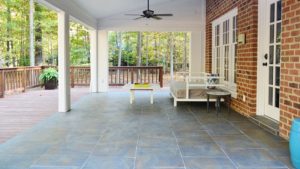
The evolution of grout technology continues to push the boundaries of performance and aesthetics. Here are some innovative solutions that are reshaping outdoor grout applications:
Advanced Formulations
Modern outdoor tile grout products feature advanced additives that enhance flexibility, bonding strength, and resistance to environmental stresses. These innovations make it possible to achieve a flawless finish even in the most challenging outdoor conditions.
Eco-Friendly Options
Sustainability is becoming a priority in construction materials. Eco-friendly grouts that reduce volatile organic compounds (VOCs) are gaining popularity. These products offer the same level of performance as traditional formulations while minimizing environmental impact.
Future Trends
Emerging trends in grout technology include self-healing formulations and enhanced color retention. As manufacturers continue to innovate, we can expect even more durable and versatile exterior grout products that cater to diverse architectural styles and functional requirements.
Conclusion
In conclusion, selecting the right outdoor grout is essential for achieving durable, visually appealing, and low-maintenance exterior spaces. With a variety of products available—from exterior grout to epoxy grout for exterior use and specialized outdoor grout for stone—the key is to evaluate your project’s unique needs and environmental conditions. We are committed to providing expert guidance that ensures your outdoor surfaces are both functional and beautiful. By following best practices for preparation, installation, and maintenance, you can enjoy the benefits of a resilient, attractive outdoor space for years to come.
Frequently Asked Questions (FAQs)
Q1. What is the best type of outdoor grout for stone?
For natural stone surfaces, we recommend using specialized outdoor grout for stone that is designed to complement the stone’s texture and offer superior adhesion and moisture resistance.
Q2. How often should outdoor grout be maintained?
Regular maintenance is key. We suggest inspecting your grout annually for signs of wear and resealing every 1-2 years, depending on environmental exposure and usage intensity.
Q3. Can outdoor grout be used on wooden surfaces?
While outdoor grout is primarily designed for tile and stone applications, certain formulations can be adapted for use with wood. However, it is essential to consult with a specialist to ensure compatibility and proper installation.
Q4. What are the main differences between epoxy grout and traditional grout for exterior use?
Epoxy grout for exterior use offers enhanced chemical resistance, superior durability, and a lower risk of staining compared to traditional cement-based grouts. Its fast-curing properties and high strength make it ideal for high-traffic and moisture-prone areas.
Q5. How do we prevent mold and mildew in outdoor grout applications?
Preventive measures include ensuring proper sealing of the grout, regular cleaning, and using products specifically designed to resist microbial growth. Adequate drainage and minimizing water retention around the tiled surface are also crucial.