
Last updated: October 2026

By Jack Martin — Grout & Tile Cleaning Specialist, 10+ years testing grout cleaning methods, 500+ products personally tried.
Quick Answer
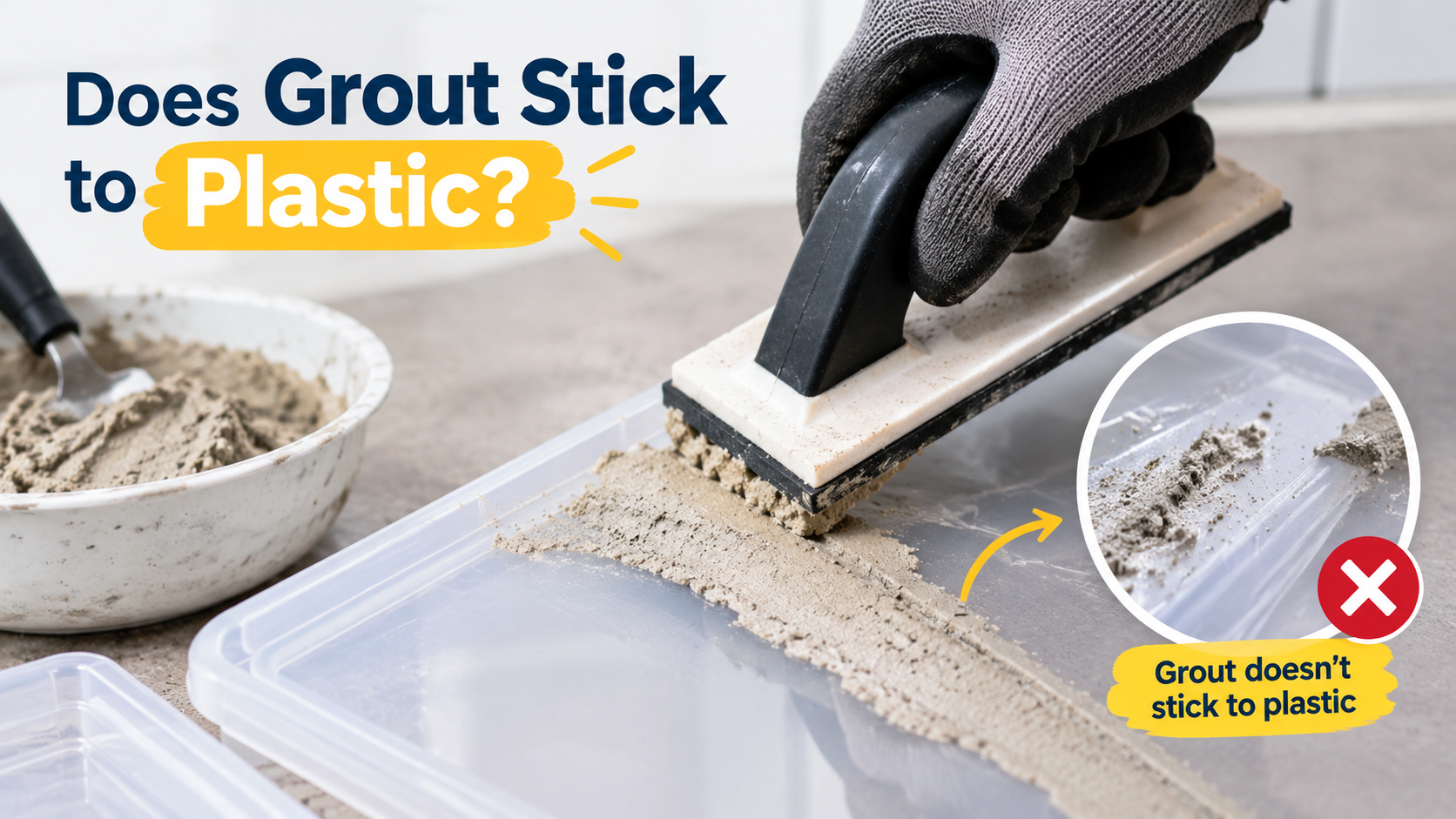
Usually no. Regular cement grout won't bond to smooth, non-porous plastic. To make it work, clean and sand the plastic, add a plastic-compatible primer, and use epoxy grout. For plastic panels in wet areas, silicone caulk is the easier fix.
Also covered below: new grout over old grout and caulk over grout.
"Does grout stick to plastic?" is a question I get almost every week, usually bundled with its cousins: "I've got a plastic panel / an old grout line / a bead of caulk that needs redoing — will new grout actually hold?" After testing this across a few different bathroom and shower repairs over the years, I can tell you the honest answer is "it depends on the surface, the prep, and the product you're using." Plastic, old cured grout, and caulk each behave differently, and treating them the same way is the most common reason a repair fails within a few months.
This guide walks through all three situations — grouting plastic, applying new grout over old grout, and how caulk interacts with grout — so you know exactly what will hold and what's a waste of a Saturday afternoon. For the full picture on grout products and cleaning methods, check out the rest of GroutCleaner.com.
Key Takeaways
- Plain cement grout won't bond to plastic — the surface is too smooth and non-porous for it to grip mechanically.
- Epoxy grout is the real fix for plastic, PVC, and glass — it cures like a dense plastic itself, so it bonds where cement grout can't.
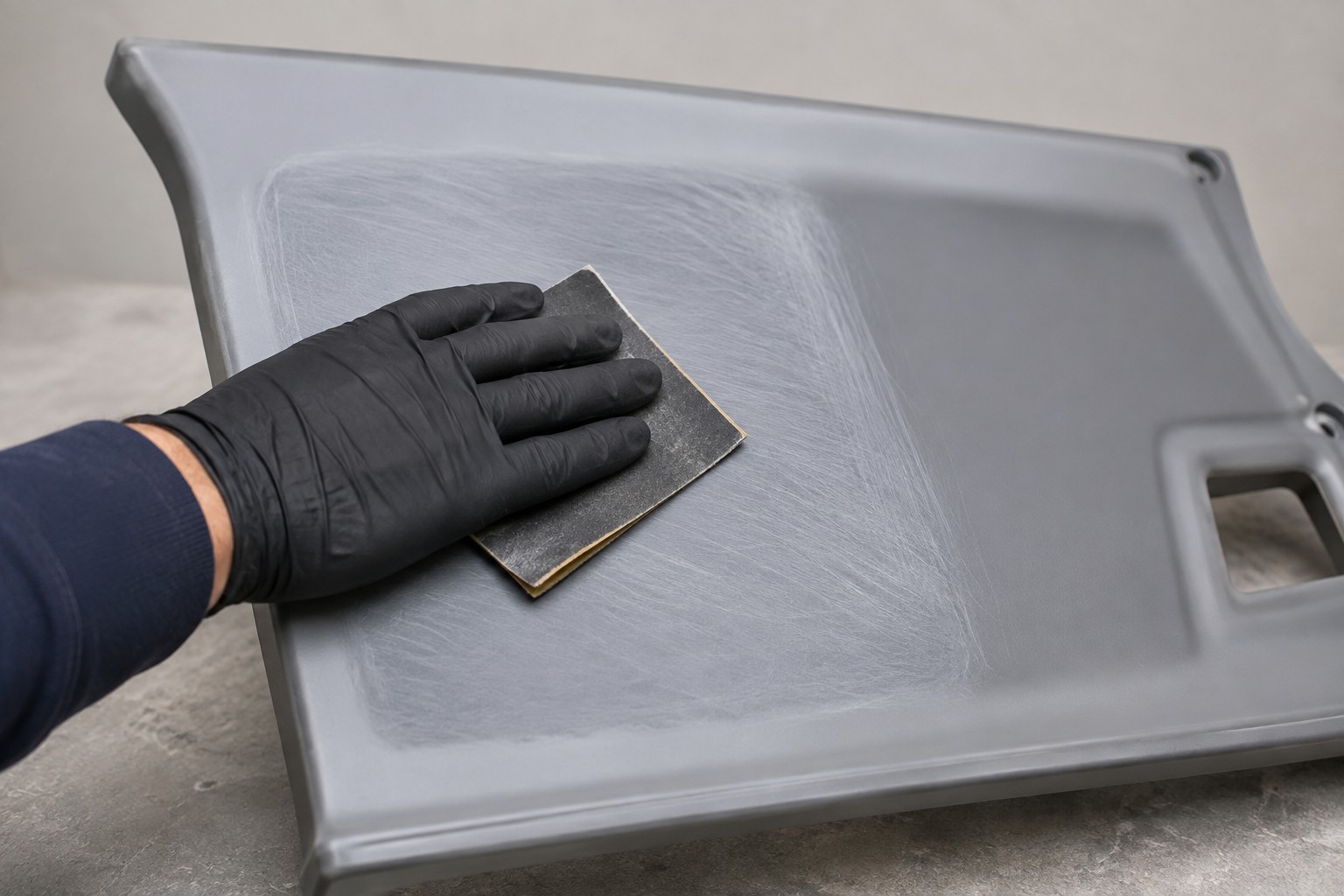
- Prep decides everything: clean the surface, sand it with 120–150 grit sandpaper, and use a plastic-compatible primer before grouting.
- New grout only sticks to old grout if the old grout is unsealed, not crumbling, and lightly roughened first — otherwise rake it out instead of patching.
- Caulk doesn't chemically bond to grout — it forms a flexible mechanical seal instead, which is exactly why it belongs in corners and movement joints, not the tile field.
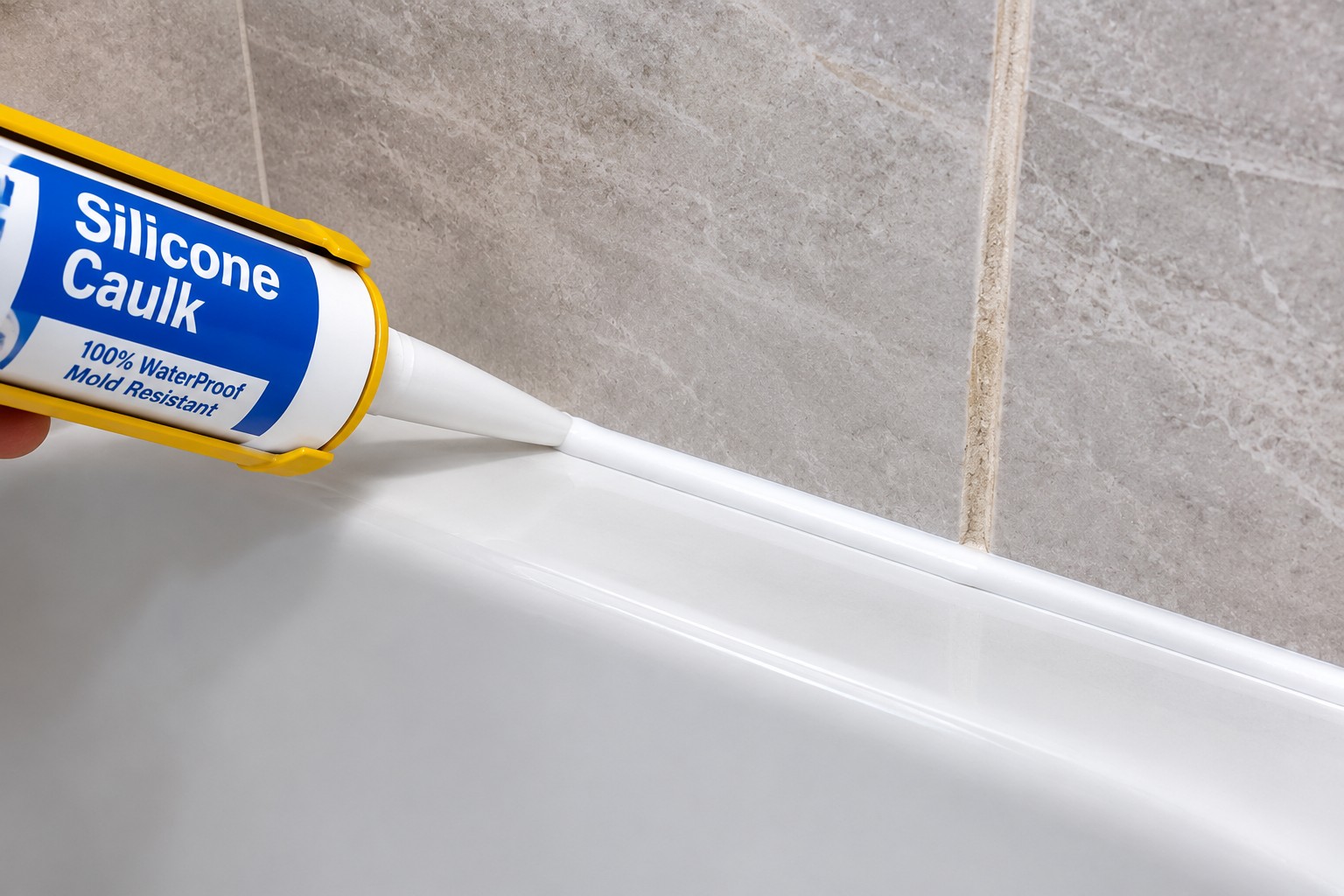
- For plastic panels in wet areas, silicone caulk is often the faster, more reliable choice over fighting to make grout stick.
Types of Grout Explained
Before getting into adhesion, it helps to know what you're actually working with. Not all grout behaves the same way, and picking the wrong type is behind most of the "my grout won't stick" complaints I hear.
Cement-Based Grout
This is what's in most homes — sanded or unsanded, mixed with water, and it cures through a chemical reaction with the cement. It bonds best to porous, textured materials like ceramic and stone because it needs something to physically key into. On plastic, it has almost nothing to grab onto.
Epoxy Grout
Epoxy grout is a two-part resin-and-hardener system rather than a cement mix. It cures into a dense, plastic-like material itself, which is exactly why it bonds to other plastics and non-porous surfaces far better than cement-based grout does. It costs more and is trickier to work with, but for plastic, PVC, and glass it's the only real option. Not sure whether epoxy or silicone fits your job? See my silicone vs epoxy grout comparison.
Furan Grout
You won't need this for a home project, but it's worth knowing about — furan grout is a resin-based grout used mostly in industrial and commercial kitchens because of its chemical and heat resistance.
Comparison: What Actually Sticks to What
Here's the breakdown I wish someone had shown me years ago — how each grout type performs across the surfaces people ask about most.
| Surface / Situation | Cement-Based Grout | Epoxy Grout | Silicone Caulk |
|---|---|---|---|
| Ceramic or porcelain tile | Excellent | Excellent | Works, but not meant for large joints |
| Plastic / PVC panels | Poor without prep | Good with prep | Good — caulk is made for this |
| Old, cured grout (grout-on-grout) | Fair, with roughening | Good with prep | Not designed for this |
| Movement joints (corners, tub edges) | Not recommended — will crack | Not recommended | Best choice — flexes with movement |
| Glass tile | Fair | Excellent | Edge sealing only |
Will Grout Stick to Plastic?
Grout adheres through a combination of mechanical grip and chemical bonding. On a rough, porous surface like unglazed tile or concrete backer board, the grout works its way into tiny pores and ridges, then hardens in place. Plastic doesn't give it that opportunity — it's smooth, non-absorbent, and often has a slight surface tension that resists wetting, which is part of why plain cement grout tends to flake or peel off plastic within days.
Why Plastic Is a Difficult Surface
Two things work against you here. First, the smooth texture gives grout nothing to physically grip. Second, plastic doesn't absorb moisture, so the grout can't partially soak in and lock itself to the surface the way it does with tile or stone.
Preparing Plastic for Grouting
If you're set on grouting a plastic surface — a shower panel edge, a plastic tile spacer area, or a mixed-material install — there's a sequence that actually improves your odds:
Clean it thoroughly. Use a degreaser or warm soapy water and let it dry completely. Any oil, soap residue, or dust will sit between the plastic and the grout and guarantee a weak bond.
Roughen the surface. Medium-grit sandpaper (120–150 grit) scuffs the plastic just enough to give the grout something to hold onto mechanically. Wipe away the dust afterward.
Use a plastic-compatible primer. Primers formulated for PVC or ABS plastic create a bridge layer that both the plastic and the grout can bond to.
Switch to epoxy grout. This is the part people skip because it's more expensive and harder to work with, but it's the difference between a repair that lasts and one that fails in a month.
Products I'd Grab for This Job
As an Amazon Associate, I earn from qualifying purchases at no extra cost to you. Affiliate disclosure
Two-Part Epoxy Grout
Best for: plastic, PVC, glass
The only grout type that bonds properly to non-porous surfaces. Pick a kit sized for your joint length and match the color before you mix.
Check price on AmazonPlastic Bonding Primer
Best for: after sanding, before grouting
Look for a primer made for PVC and ABS. It gives the grout a surface it can actually hold onto. Follow the dry time on the label.
Check price on Amazon100% Silicone Caulk
Best for: plastic panels, tub edges, corners
The easier fix when you don't need grout at all. It flexes with movement and holds up to constant moisture. Choose one rated for kitchens and baths.
Check price on AmazonWill New Grout Stick to Old Grout?
This comes up constantly during regrouting jobs — someone wants to add fresh grout over a section of old, cured grout instead of removing it entirely. It can work, but it's not as reliable as starting on bare, clean grout lines, and it depends heavily on what condition the old grout is in.
Cured grout is porous, so in theory new grout has more to grab onto than it would with plastic. The problem is usually one of these three things: the old grout still has sealer on it (which blocks absorption the same way plastic does), it's contaminated with soap scum or mildew, or it's too thin and crumbly to give the new layer anything solid to bond to.
If the old grout is sound — not crumbling, not sealed, not coated in residue — lightly roughening it with a grout saw or carbide scraper and cleaning it thoroughly before applying new grout usually gives you an acceptable bond. If it's sealed, cracked, or coming loose, my honest advice is to rake it out fully rather than layering on top. Grout-on-grout patch jobs on compromised old grout are one of the most common comebacks I see — the new layer looks fine for a few weeks, then separates along the seam.
Will Caulk Stick to Grout?
Yes, as a surface seal rather than a chemical bond. Silicone caulk grips the texture of cured grout and forms a flexible skin over the joint. That's the point: caulk goes in the corners and along the tub or shower pan where the house moves, while rigid grout stays in the flat tile field.
For a good bond, let new grout cure fully first (typically 48–72 hours), wipe the joint clean and dry, and use 100% silicone rather than a latex or acrylic blend in wet areas. For the full breakdown, see my guides on whether you can caulk over grout, using silicone sealant over grout, and grout vs caulk.
Peel-and-Stick Tiles as an Alternative
If you're working with plastic panels specifically because you're trying to avoid a full tile install, it's worth considering peel-and-stick tiles instead of fighting grout adhesion. These come with an adhesive backing built in, so they skip the plastic-bonding problem entirely. Some people still run a thin bead of grout or caulk around the edges for a more finished look, and that thin edge application holds up fine since it's not carrying structural weight.
The trade-off is longevity — peel-and-stick tile is a good short- to medium-term solution, especially for rentals or quick refreshes, but it won't hold up the way a properly tiled and grouted surface will over a decade of daily use.
Common Mistakes to Avoid
Most of these come down to rushing prep — the same issues show up across the broader tile and grout cleaning work I cover on the site.
Skipping surface prep. Whether it's plastic, old grout, or a caulk joint, cleaning and roughening the surface is the step that actually determines whether anything sticks. It's also the step almost everyone rushes.
Using cement-based grout on plastic. I know it's tempting because it's what's already in the bucket, but it's not built for non-porous surfaces and it will eventually let go.
Caulking over grout that hasn't cured. This traps moisture underneath and can cause both the caulk and the grout to fail early.
Ignoring manufacturer instructions. Epoxy grout, primers, and silicone caulk all have specific cure times and application temperatures — skip them and you're rolling the dice on the bond.
Maintaining Grouted or Caulked Surfaces
Once everything's cured, a bit of regular upkeep goes a long way. For a full routine, see my guide on keeping bathroom grout clean — wiping down grout and caulk lines after showers cuts down on soap scum buildup, and checking every few months for early signs of trouble — hairline cracks, small gaps where the grout or caulk has pulled away from the surface, or discoloration that usually points to trapped moisture or mildew. Catching it early means a quick touch-up instead of a full re-do.
Frequently Asked Questions
Does grout stick to plastic?
Usually no. Regular cement grout won't bond to smooth, non-porous plastic. Clean and sand the plastic, add a plastic-compatible primer, and use epoxy grout, or use silicone caulk instead for plastic panels in wet areas.
Can you put grout on plastic?
Yes, but not with standard cement-based grout. You'll need to clean and roughen the plastic, ideally apply a plastic-compatible primer, and use epoxy grout instead — that combination gives you a bond that actually holds.
Will tile mortar stick to plastic?
Generally no. Standard thinset mortar is built for porous materials and won't create a lasting bond on plastic without a specialized primer designed for non-porous surfaces.
Does grout stick to anything?
Grout bonds best to porous, textured materials — ceramic, stone, concrete backer board. Smooth, non-porous surfaces like plastic, glass, and metal need extra prep or a switch to epoxy grout to get a reliable bond.
Does grout adhere to PVC?
It can, provided the PVC is thoroughly cleaned, sanded to create texture, and paired with epoxy grout rather than a cement-based one.
Will new grout stick to old grout?
Only if the old grout is in decent shape — not sealed, not crumbling, and free of soap scum. Roughening the surface and cleaning it well before applying new grout gives you a reasonable bond, but heavily compromised old grout should be raked out instead of patched over.
Will grout stick to grout?
Yes, better than it sticks to almost anything else, since cured grout is porous and gives fresh grout something to grip. The exceptions are sealed grout lines and old grout that's already crumbling or contaminated — both need extra prep or full removal first.
Will caulk stick to grout?
Yes, as a surface seal rather than a chemical bond. As long as the grout is clean, dry, fully cured, and not freshly sealed at the joint, caulk adheres well and flexes with movement in a way rigid grout can't.
Will silicone caulk stick to grout?
Yes — 100% silicone caulk is actually one of the more reliable pairings here, provided the grout has cured for at least 48 hours and the joint is wiped clean of soap film or dust before application.
How can I make grout last longer on plastic?
Prep is everything: clean thoroughly, sand the surface for texture, use a plastic-compatible primer, and stick with epoxy grout rather than a standard cement mix. Skipping any one of these steps shortens the lifespan significantly.
Should I use grout or caulk in corners and movement joints?
Caulk. Corners, tub edges, and anywhere two different materials meet need flexibility to handle expansion and settling — grout is rigid and will crack in those spots over time.